
Views: 0 Author: Site Editor Publish Time: 2026-10-10 Origin: Site


China has rapidly evolved into a global powerhouse for farm equipment. It offers an unbeatable combination of cost-efficiency, massive manufacturing scale, and cutting-edge technology. Navigating a sea of thousands of suppliers on wholesale platforms can feel overwhelming for B2B buyers and farm owners. The risk of accidentally partnering with a hidden middleman instead of a direct factory is exceptionally high. This mistake often leads to inflated costs, poor communication, and subpar equipment. In this comprehensive guide, we will walk you through the exact steps to find a reliable agricultural machinery manufacturer in China. Adopting a systematic approach to supplier vetting, compliance verification, and communication assessment allows you to secure high-quality machinery that ensures a profitable, uninterrupted harvest.
Key Takeaways
Direct Factory vs. Trading Company: Always verify if the supplier owns their physical manufacturing facility. This guarantees direct quality control and factory-direct pricing.
Compliance is Non-Negotiable: Ensure the manufacturer holds international certifications strictly relevant to your local market regulations.
Assess After-Sales Support: A dependable manufacturer provides transparent warranties, readily available spare parts, and highly responsive technical support.
Request Samples and Audits: Never commit to a bulk order without first testing a sample machine or conducting a thorough third-party factory audit.
Specialization Matters: Choose a partner with a proven track record in specific agricultural equipment rather than a generalist selling unrelated consumer goods.
Importing heavy equipment from overseas requires a significant capital investment. B2B buyers must validate their sourcing decisions carefully. Today, China remains the top destination for global agricultural sourcing, driven by several compelling operational advantages.
Highly mature supply chains give factories direct, localized access to essential raw materials like industrial-grade steel and hydraulic components. This proximity drastically lowers overall production costs, allowing global buyers to achieve higher profit margins. Furthermore, cost-efficiency no longer means accepting inferior quality. Top-tier factories now utilize advanced CNC machining and automated welding techniques to rival Western manufacturing standards.
Global agricultural sourcing is shifting rapidly toward smart farming and precision agriculture. Buyers demand intelligent efficiency rather than just raw mechanical power. Leading Chinese manufacturers are actively responding to this trend by integrating Internet of Things sensors, GPS-guided autonomous navigation, and green-energy electric drivetrains into their fleets. This evolution perfectly aligns with the global push for sustainable, high-yield farming. Partnering with a forward-thinking factory means you are investing in durable engineering that actively improves crop yields while reducing chemical and fuel waste.
A genuine manufacturer possesses the operational elasticity to handle wildly varying order sizes. You might be a regional distributor needing a small trial order of specialized implements. Alternatively, you could be a massive enterprise requiring full fleet distributions before the spring planting season. True factories can ramp up their assembly lines during peak demand. This ensures your equipment arrives long before the critical harvest window closes.
Accidentally dealing with a trading company often results in overpaying due to hidden middleman markups. More alarmingly, it creates a dangerous buffer in communication. This becomes a severe issue when discussing intricate technical specifications or troubleshooting field breakdowns.
Evaluation Criteria | Direct Factory | Trading Company |
|---|---|---|
Pricing Strategy | Transparent, factory-direct cost structures with volume discounts. | Inflated prices with hidden middleman markups. |
Technical Expertise | In-house engineers capable of complex structural modifications. | Sales brokers relying entirely on third-party answers. |
Quality Control | Direct oversight of raw materials, welding, and assembly lines. | No physical control or visibility over the manufacturing process. |
After-Sales Support | Rapid spare parts dispatch and direct warranty fulfillment. | Delayed communication and highly inconsistent parts availability. |
One of the most effective vetting strategies involves decoding a Chinese business license. Request an official copy and carefully translate the business scope section. Look for specific keywords like manufacturing, production, or processing. If the license only lists terms such as trading, wholesale, or export, you are almost certainly dealing with a broker who does not own an assembly line.
A supplier physical address offers massive clues about their true operational nature. A legitimate factory requires sprawling spaces for heavy assembly lines, paint booths, and raw material storage. They will be located in designated industrial zones or rural outskirts. In contrast, trading companies typically operate out of downtown commercial office buildings. When reviewing their company media, look past the polished showrooms. Demand to see active production floors filled with workers, cranes, and raw steel.
Never skip the factory audit process. If a physical visit to China is out of the question, hire a reputable third-party inspection service to conduct an objective review. Insist on a live, unscripted video tour via WeChat or Zoom. Ask the representative to walk from their desk directly to the production floor. Watch CNC machines cutting metal and active assembly lines in real-time.
Compliance is an absolute necessity for bottom-of-funnel buyers. Uncertified equipment runs the severe risk of being seized by customs officials. It might also fail strict local environmental laws, leading to catastrophic financial losses and legal penalties.
Serving as the baseline for manufacturing reliability, ISO 9001 certification proves that a factory operates under a rigorously standardized quality management system. This protocol ensures production consistency remains identical across all batches. Without this standard, quality can fluctuate wildly from one shipment to the next, jeopardizing your brand reputation.
Different global regions enforce rigid import regulations that cannot be bypassed. Machinery entering the European Union strictly requires a CE mark for safety and environmental protection. Any diesel engines destined for the United States must demonstrate EPA emissions compliance to clear the port.
Do not simply trust a shiny digital badge pasted on a supplier website. Always request high-resolution copies of the actual certificate documents. Take the time to verify the certificate number directly with the issuing body. Legitimate factories provide this documentation without hesitation. Trading companies often stall, provide blurred images, or submit expired paperwork.
A dependable supplier must demonstrate a laser focus on agricultural technology. They should not offer a chaotic, scattered portfolio of unrelated goods. Their product range and Research and Development depth are the truest indicators of their industry expertise.
Specialization equals reliability. If a vendor catalog features combine harvesters sitting next to consumer electronics or plastic toys, walk away immediately. A dedicated factory will have a deeply interconnected product line focused entirely on cultivation and farming. We encourage buyers to explore our full range of agricultural machinery products to see exactly what a specialized, logical equipment portfolio looks like.
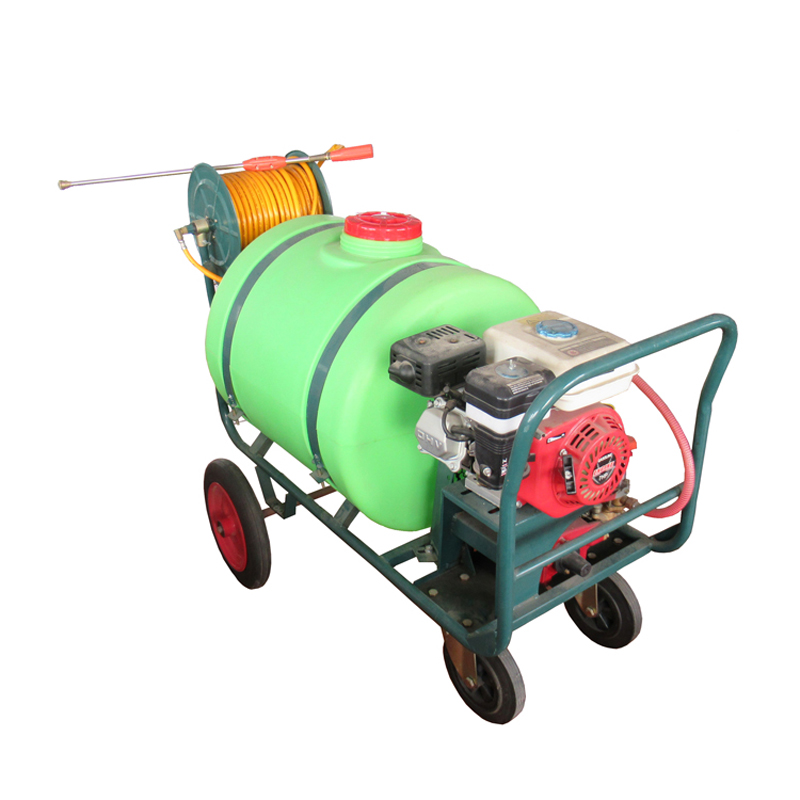
Evaluate potential partners based on the exact equipment your local market demands. For example, if your clients manage large-scale orchards, they need robust pest control solutions. A generic vendor might offer a basic tank. A specialized manufacturer will engineer a system like a 160L trolley power sprayer. This specific equipment utilizes a high-pressure plunger pump delivering consistent atomization. It features chemical-resistant reinforced hoses and a heavy-duty chassis designed for rugged terrain. Finding high-quality agricultural sprayers requires this level of specialized knowledge regarding fluid dynamics and pump durability.
Farming conditions vary drastically from Brazil to Southeast Asia. Soil density, ambient humidity, and terrain slope dictate that off-the-shelf solutions rarely work perfectly everywhere. A competent manufacturer offers robust Original Equipment Manufacturer and Original Design Manufacturer services. They possess the engineering capability to modify engine horsepower, adjust ground clearance for muddy terrains, and alter structural frameworks to accommodate regional implements.
Agricultural equipment is subjected to brutal wear and tear, heavy payloads, and unforgiving weather. A cheap machine becomes a massive liability if the transmission blows during a critical two-week harvest window. Rigorous internal testing is mandatory.
The lifespan of heavy machinery starts long before assembly. It begins with raw materials. Reliable factories do not blindly trust their sub-suppliers. They actively perform stress tests on incoming steel grades. They rigorously vet premium third-party engines and hydraulic seals to prevent foundational structural failures before a single bolt is tightened.
Quality must be aggressively monitored at every stage of the assembly line. In-Process Quality Control involves inspecting the machinery while it is actively being built. Key indicators of a strong system include routine ultrasonic testing on structural welds to detect hidden internal flaws. Engineers also conduct high-pressure testing on hydraulic lines to guarantee zero field leaks.
No machine should ever be crated without undergoing a punishing final test. A professional manufacturer runs the equipment under simulated, real-world load conditions. Testing an empty machine on a smooth factory floor is entirely insufficient. Technicians must verify Power Take-Off output, engine performance, and vibration levels. They document the entire process with video evidence before loading the shipping container.
In cross-border B2B transactions, poor communication is the leading cause of incorrect technical specifications and delayed shipments. Evaluating how a supplier communicates is just as important as evaluating their physical machinery.
The initial dialogue with a sales representative instantly reveals the operational maturity of the company. A reliable team possesses a strong command of technical English and clearly understands complex farming terminology. Furthermore, they act as a seamless bridge to the engineering department. If a representative guesses the answers to critical questions about hydraulic flow rates rather than consulting their engineers, consider it a massive red flag.
International business moves fast. Your supply chain partner must keep pace despite the time difference. A professional manufacturer implements systems to ensure inquiries are addressed within 24 hours. Consistent communication delays during the negotiation phase are a grim preview of how they will handle urgent after-sales emergencies later.
Beware of the dangerous yes culture, where a supplier agrees to every customization request regardless of engineering feasibility. True transparency builds long-term trust. An honest factory openly admits if a specific modification will compromise the machine structural integrity or cause a three-week production delay. They prioritize realistic deliverables over securing a quick deposit.
The ultimate test of a reliable manufacturer occurs months after the equipment has been deployed into the muddy fields. Post-purchase support is a critical component of your Total Cost of Ownership.
Before wiring any initial deposit, secure a detailed, written warranty agreement. Standard warranties in this sector typically cover major components for 12 to 24 months. This includes the engine block, transmission, and main structural frame. It is equally crucial to clarify exactly what is excluded. Standard wear-and-tear items like rubber belts, cutting blades, and oil filters are usually not covered.
Downtime during planting season can bankrupt a farm. Rapid spare parts availability is non-negotiable. A responsible manufacturer preemptively includes a package of easily worn parts with your initial bulk shipment. You must verify their emergency dispatch protocols. Ask how quickly they can air-freight critical replacement parts directly to your local mechanics when a breakdown occurs.
Modern farm machinery incorporates complex hydraulic and electronic systems that local mechanics may not immediately understand. The manufacturer must provide comprehensive, accurately translated English user manuals and maintenance schedules. Top-tier manufacturers take it a step further. They offer digital support, including live video calls to guide your technicians through complex, on-site repairs.
Navigating the complexities of international procurement requires a partner with a proven track record of engineering excellence, strict regulatory compliance, and radically transparent communication. Agro-Tools is strategically positioned to solve the exact sourcing challenges faced by global distributors and modern farm operators.
We operate with a strict, uncompromising adherence to international quality management systems. By controlling every variable of the production process, from raw material intake to final load testing, our facility ensures every piece of equipment arrives field-ready.
Selecting Agro-Tools provides B2B buyers with highly objective advantages designed to eliminate procurement risks and maximize field reliability.
Direct Factory Pricing: By cutting out trading company intermediaries, you benefit from optimized cost structures without ever sacrificing material quality.
Certified Compliance: Our equipment is manufactured to align with stringent international standards, ensuring friction-free customs clearance and safe local operation.
Scalable Customization: Our dedicated engineering teams routinely handle complex requests, adapting machinery to survive specific regional climates and soil densities.
Comprehensive After-Sales Infrastructure: From fast-tracked spare parts dispatch to responsive technical documentation, our post-purchase ecosystem is purpose-built to minimize your equipment downtime.
Choosing the right supply chain partner requires meticulous due diligence. From verifying factory certifications to ensuring robust after-sales support, every step protects your investment. A cheap machine is only a good deal if it survives the harvest season. Prioritize long-term reliability, transparent communication, and engineering partnership over the absolute lowest price tag. If you are ready to upgrade your agricultural supply chain, explore our offerings and contact us today. Select the equipment that fits your specific regional needs directly from Agro-Tools to ensure a profitable, uninterrupted harvest.
The Minimum Order Quantity depends entirely on the size and complexity of the equipment. For heavy machinery, such as large tractors or combine harvesters, manufacturers often accept an order of just 1 to 2 units to allow for initial field testing. For smaller, standardized implements like manual seeders, backpack sprayers, or replacement tillage blades, the requirement typically ranges from 50 to 100 units to justify the production run and packaging costs.
For standard B2B transactions, the most secure and common payment method is a Telegraphic Transfer. The industry standard is a 30% deposit to initiate production. The remaining 70% balance is paid only after a successful third-party pre-shipment inspection, usually against the copy of the Bill of Lading. For exceptionally large fleet orders exceeding $100,000, utilizing a Letter of Credit at sight provides an ironclad layer of financial security for both parties.
Timelines fluctuate based on customization requirements and seasonal factory loads. Standard production takes between 20 to 45 days. If you require heavy structural modifications, production may extend to 60 days. Ocean freight adds another variable. Shipping from major Chinese ports to the US West Coast takes about 15-20 days, while shipping to European or African ports can stretch to 30-45 days. Always plan your procurement at least four months ahead of your local planting season.
Yes, highly reputable manufacturers excel in bespoke customization. Through dedicated engineering services, technicians can adjust critical specifications to match your exact local environment. This includes modifying ground clearance for deeply rutted terrains, upgrading engine cooling systems for extreme high-temperature climates, changing tire tread patterns, and adapting hydraulic attachments to suit the specific density of your regional soil.
The lifespan heavily depends on the tier of the manufacturer and adherence to routine maintenance schedules. High-quality machinery built by direct factories using industrial-grade steel and premium hydraulic components can easily last 10 to 15 years in the field. To maximize longevity, buyers must strictly follow the manufacturer maintenance guidelines, regularly replace wear-and-tear parts like belts and filters, and ensure proper off-season storage.
Verifying legitimacy requires a multi-step approach. First, request and translate their official Chinese business license to ensure the business scope includes manufacturing or production, not just trading. Second, demand a live video tour of their production facility to see active assembly lines and CNC machinery. Finally, hire a reputable third-party inspection agency to conduct an independent factory audit before transferring any initial deposit.


