
Views: 0 Author: Site Editor Publish Time: 2026-10-21 Origin: Site


Equipment downtime during critical planting or harvesting windows costs farmers thousands of dollars a single day. Picture a combine harvester stalling mid-field during an unexpected October freeze. Every passing hour directly threatens the season's yield. When machinery inevitably breaks down under these harsh conditions, farmers immediately turn to their local dealers for rapid, off-the-shelf solutions.
For agricultural machinery dealers, balancing this inventory is a relentless operational challenge. Stocking every conceivable component ties up vital cash flow in depreciating dead stock. Conversely, bare shelves lead to catastrophic lost sales and permanently frustrated customers. A strategic, data-driven approach to parts procurement is no longer optional. It is the absolute backbone of dealership survival. This guide breaks down exactly which components require permanent shelf space, how to accurately forecast seasonal shifts, and why consolidating your supply chain is the ultimate key to scalable profitability.
Prioritize High-Wear Consumables: Fast-moving items like hydraulic filters, heavy-duty belts, bearings, and cutting edges must form the foundation of your baseline inventory.
Anticipate Seasonal Demand: Pre-stocking specific components prevents logistical nightmares during peak operational windows.
Promote Preventative Maintenance: Educating end-users on proactive replacement schedules helps dealerships smooth out erratic demand curves while minimizing catastrophic field failures.
Understand True Holding Costs: Dealerships must aggressively balance high-value, slow-moving assets with low-value, high-turnover items to optimize warehouse expenses.
Partner with a Unified Supplier: Consolidating procurement guarantees consistent material quality, stabilizes pricing, and drastically reduces administrative overhead.
Agricultural environments operate under strict temporal and environmental constraints. A tractor failure during a narrow, weather-dependent planting window often leads to irreversible crop yield losses. When a parts manager can slide a critical replacement component across the counter within minutes of a breakdown, they provide much more than a physical product. They deliver operational security.
Industry data consistently highlights that immediate parts availability is the single largest driver of long-term customer loyalty. Farmers remain fiercely loyal to the service department that saved their harvest. Consequently, they often consolidate future heavy equipment purchases and annual service contracts with that exact vendor. Viewing your parts counter as your primary customer retention tool is essential for sustainable dealership growth.
A frequent operational pitfall for procurement teams is failing to account for true warehousing costs. Inventory carrying expenses extend far beyond the initial wholesale invoice. They encompass warehouse square footage, insurance premiums, local taxation, inevitable obsolescence, and the opportunity cost of trapped capital. Industry benchmarks reveal that annual holding costs can quietly consume up to 30 percent of your inventory's total value.
To mitigate this financial drain, successful dealerships rigorously apply the Pareto Principle. Typically, 80 percent of a parts department's daily revenue is generated by a mere 20 percent of its active stock units. By identifying and heavily saturating the shelves with these fast-moving items, dealers maintain exceptional service levels while keeping capital fluid.
Farm machinery is relentlessly subjected to extreme levels of dust, abrasive debris, and severe vibration. As a result, filtration systems demand strict adherence to replacement intervals to prevent catastrophic internal engine contamination. Dealers must maintain deep stock levels of air, fuel, hydraulic, and engine oil filters across multiple equipment brands. These are non-negotiable, everyday maintenance items.
Similarly, drive belts and bearings operate under continuous high tension. A single snapped drive belt or a seized roller bearing can instantly paralyze a forage harvester. Because these specific components are frequently standardized across various equipment platforms, they offer excellent inventory turnover rates and highly reliable profit margins.
Parts engineered to make direct physical contact with abrasive soils or dense crops experience the most aggressive degradation rates. Tillage points, heavy-duty sweeps, and plowshares wear down rapidly. Their lifespan is heavily influenced by local soil composition and moisture levels.
Cutting components are equally vital to field efficiency. Rotary cutters, disc mowers, and forage equipment rely entirely on sharp, perfectly balanced blades to function. Dull edges shred crops and force the machine's drivetrain to work harder, spiking fuel consumption. Dealerships must prioritize stocking highly durable heavy-duty grass cutting machine blades. For optimal field performance, look for blades forged from heat-treated boron steel with a hardness rating of HRC 45 to 52. These specific metallurgical parameters guarantee superior impact resistance against field rocks and ensure steady foot traffic throughout the growing season.
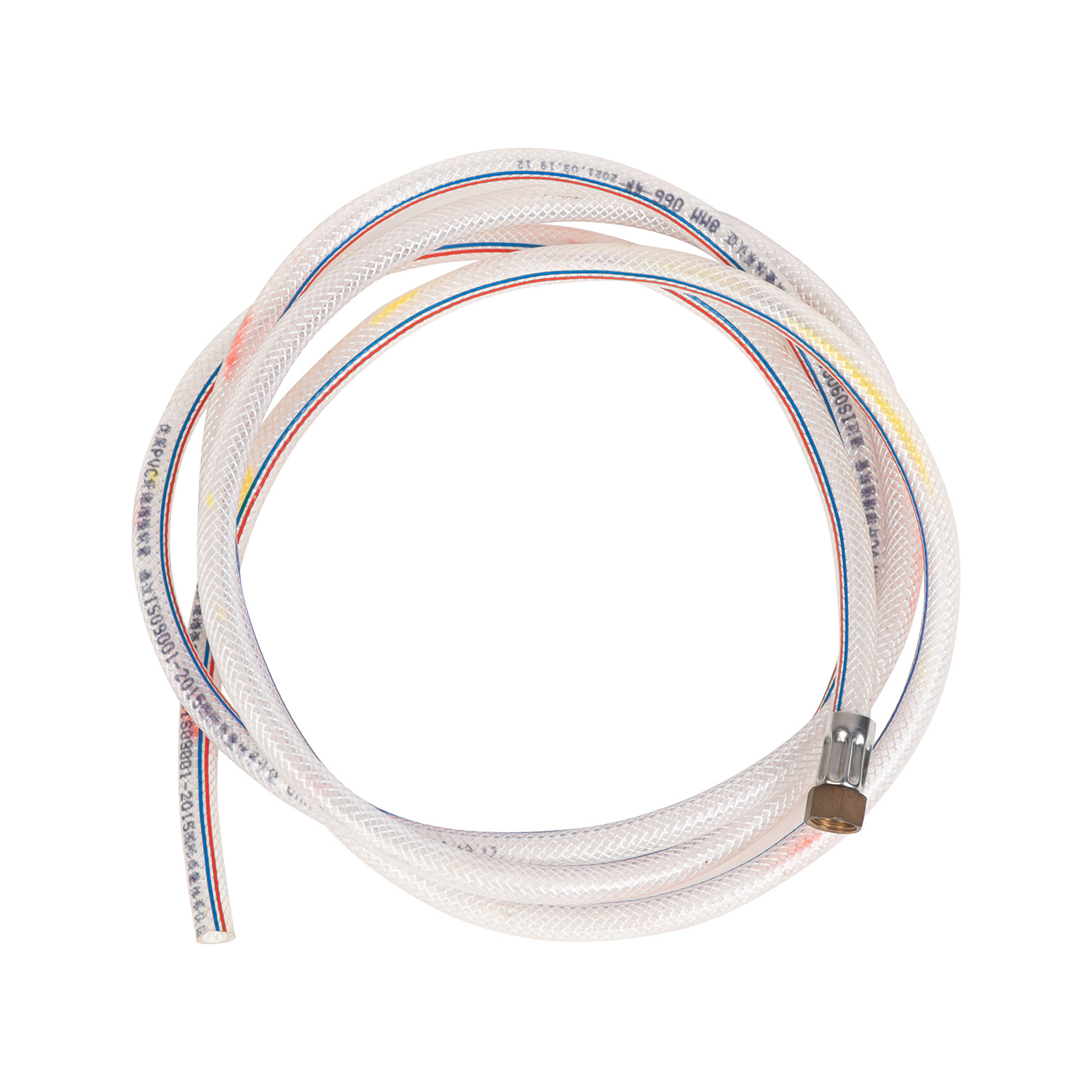
Modern tractors and implements are driven by immensely complex hydraulic and electrical networks. High-pressure hydraulic hoses, quick-disconnect couplers, and specialized seals frequently rupture due to sudden pressure spikes, prolonged ultraviolet exposure, and physical abrasion.
On the precision agriculture side, equipment is packed with delicate sensors, wiring harnesses, and relays. Dealers should dedicate prominent shelf space to a comprehensive selection of standard electrical connectors and heavy-duty fuses. These are low-cost, low-footprint items that provide immense relief when a farmer is troubleshooting an electrical short at dusk.
Spring triggers a frantic window for soil preparation and early-stage crop protection. During the late winter months, proactive farmers begin pulling planters, seeders, and tillage equipment out of storage for servicing. Dealerships should preemptively load their shelves with seed tubes, closing wheels, and heavy-duty disc bearings well before the ground thaws.
Simultaneously, the demand for precision crop protection equipment skyrockets. Applying expensive liquid fertilizers and herbicides requires flawlessly functioning sprayer systems. Worn or clogged nozzles cause uneven chemical distribution, leading to localized crop damage or wasted inputs. To capture this critical spring maintenance revenue, stocking a comprehensive range of precision agricultural sprayer parts is absolutely vital. Ensure your inventory includes anti-drip nozzle bodies, 110-degree flat fan polymer spray tips, and diaphragm pumps rated for continuous 300 PSI operation.
The autumn harvest is unequivocally the most time-sensitive, high-stress period in the agricultural calendar. Equipment utilization rates hit their annual peak, pushing combines and balers to their absolute mechanical limits as they ingest massive volumes of plant material.
Procurement managers must prepare by executing harvest-specific purchase orders 60 to 90 days in advance. Critical inventory includes sickle bar sections, cutter bar guards, rasp bars, and specialized elevator chains. For hay and forage operations, knotter components, pickup tines, and heavy-duty baler belts are mandatory items. Anticipating these specific needs shields the dealership from the exorbitant costs of overnight emergency freight during the harvest rush.
Recent market analyses reveal a massive shift in how agricultural machinery dealers manage procurement. Global supply chain volatility has made traditional just-in-time inventory extremely risky. Consequently, progressive dealers are transitioning to strategic just-in-case models for critical wear parts, heavily supported by predictive analytics.
Furthermore, the landscape of machinery maintenance is undergoing a profound technological evolution. We are rapidly moving away from traditional run-to-failure models toward predictive maintenance, driven by the integration of internet-connected sensors directly into modern farm equipment. Today’s high-horsepower tractors continuously transmit real-time telemetry data regarding engine temperatures, hydraulic pressures, and vibration anomalies. By analyzing historical weather patterns, localized crop data, and real-time machine telemetry, dealers can now anticipate parts demand with surgical precision. This data-driven approach reduces dead stock by up to 30 percent while ensuring shelves remain fully stocked during unpredictable weather windows.
Relying exclusively on break-fix scenarios artificially limits a dealership's revenue potential while leaving the end-user highly vulnerable. Forward-thinking dealers are actively shifting their operational models to emphasize structured, preventative maintenance.
A preventative replacement program involves analyzing the average lifespan of specific components and actively encouraging farmers to swap them out before catastrophic failure. For instance, if a specific alternator is known to degrade at 2,500 hours, the service department should proactively contact the customer at the 2,300-hour mark. This approach converts unpredictable, chaotic downtime into scheduled, manageable shop hours.
To streamline preventative maintenance, astute parts managers bundle individual components into comprehensive, model-specific service kits. Creating a 1,000-hour combine service kit that includes all necessary fluid filters, critical seals, and required lubricants drastically simplifies the purchasing process for the farmer.
From a business standpoint, kitting immediately increases the average order value. It also ensures the farmer replaces all necessary components simultaneously, rather than skipping a secondary hydraulic filter to save a few dollars. Internally, managing a single tracking code for a comprehensive kit is far more efficient for the dealership's inventory software than tracking dozens of loose, minor items.
A persistent dilemma for any parts counter is determining the optimal ratio of original equipment manufacturer parts to aftermarket alternatives. While factory parts guarantee exact specifications and preserve active equipment warranties, they inherently carry premium price tags. In today's margin-compressed agricultural economy, many farmers demand more economical solutions, especially for aging machinery outside of its warranty window.
High-tier aftermarket components provide a highly compelling alternative. These parts frequently offer durability and field performance that rival factory standards, but at a significantly lower acquisition cost. Balancing your inventory with reliable aftermarket options for high-wear consumables allows you to cater to diverse budgets without sacrificing your bottom line.
Comparison Aspect | Original Equipment (OEM) | Premium Aftermarket Parts |
|---|---|---|
Acquisition Cost | High (Premium pricing) | Moderate to Low (Cost-effective) |
Dealer Profit Margin | Standard (Often tightly controlled) | High (Flexible pricing structures) |
Quality & Tolerance | Exact factory specifications | Meets or exceeds ISO standards |
Target Customer | New machinery under warranty | Out-of-warranty, cost-conscious fleets |
Dealers must rigorously vet their aftermarket suppliers. It is imperative to partner with manufacturers who hold strict ISO certifications, utilize advanced metallurgy, and enforce precise machining tolerances. Requesting material test reports and conducting small-batch field testing are highly effective ways to verify component reliability before committing to large-scale inventory acquisition.
Managing procurement across a fragmented network of dozens of micro-vendors introduces severe logistical bottlenecks. Every additional supplier requires separate communication channels, varying freight schedules, and independent invoice reconciliations. These factors heavily inflate the dealership's administrative overhead.
Transitioning to a unified supply model drastically streamlines daily operations. By sourcing a wide variety of components from a single, comprehensive manufacturer, procurement teams can consolidate purchase orders. This consolidation frequently unlocks lucrative bulk purchasing discounts and significantly reduces aggregate freight costs. Specifically, resolving a defect becomes a collaborative process with a trusted partner, rather than a transactional dispute with a faceless vendor.
To scale operations effectively, agricultural machinery dealers require a global business-to-business partner capable of matching their growth trajectory. The ideal supplier offers a broad catalog encompassing everything from precision sprayer valves to heavy cast-iron ground-engaging tools.
When evaluating a primary supplier, look beyond the base unit price. Assess their global logistics capabilities, historical backorder rates, and strict commitment to quality assurance. Sourcing from a reliable provider of comprehensive agricultural spare parts allows dealers to confidently supply high-wear consumables, seasonal implements, and complex internal components from a single origin. This strategic partnership guarantees consistent material quality and provides the dealership with unparalleled purchasing leverage.
Ultimately, successful agricultural machinery dealers do not just sell iron and horsepower. They sell reliability and maximum field uptime. Maintaining a meticulously researched inventory of essential components—ranging from high-pressure sprayer valves to hardened cutting blades—is the definitive key to securing long-term dealership profitability.
Now is the time to audit your current stock profiles. Embrace proactive, preventative maintenance sales strategies, and actively seek out a trusted, comprehensive supplier to consolidate your procurement pipeline. By aligning your inventory with data-driven forecasting and partnering with industry-leading manufacturers, you ensure that when a farmer walks through your doors in a panic, you have exactly what they need to get back in the field.
Ready to optimize your dealership's inventory and boost your profit margins? Evaluate your current stock against field demands and upgrade your supply chain by sourcing premium, field-tested components tailored for the modern agricultural sector. Visit Agro-tools to explore high-performance replacement parts engineered for maximum durability.
Professional dealerships utilize a combination of historical sales data, localized crop profiles, and robust inventory management software to determine their baseline stock. The industry standard is to apply the 80/20 rule, recognizing that roughly 80 percent of parts revenue is generated by just 20 percent of the inventory portfolio. Procurement managers heavily prioritize high-turnover consumables—such as filtration units, cutting blades, and hydraulic seals—while maintaining minimal safety stock for slow-moving, high-ticket items.
While optimal metrics fluctuate slightly depending on regional market size, a healthy inventory turnover ratio for agricultural parts generally falls between 2.5 and 4.0 times per fiscal year. A ratio below 2.5 indicates that capital is trapped in obsolete stock, leading to high depreciation costs. Conversely, a ratio exceeding 4.0 suggests the dealership is carrying insufficient safety stock, increasing the risk of lost sales and prolonged equipment downtime.
The true cost of inventory encompasses warehouse space, insurance, capital opportunity costs, and depreciation. Dealerships can systematically reduce these expenses by transitioning to a consolidated supply chain model. Partnering with a highly reliable, single-source supplier who offers predictable, expedited shipping allows the dealer to safely lower their on-hand safety stock. This ensures capital is only deployed toward inventory with a proven, rapid turnover rate.
A balanced, strategic approach maximizes both customer satisfaction and dealership profitability. While factory components are necessary for specific warranty repairs, premium aftermarket components offer exceptional value for standard wear-and-tear items. High-tier aftermarket manufacturers adhere to strict ISO quality certifications, ensuring their products meet original specifications. Stocking quality aftermarket consumables provides farmers with a cost-effective maintenance solution while offering the dealership significantly wider gross profit margins.
The agricultural sector is dictated by rigid seasonal windows, creating extreme fluctuations in parts demand. Failing to anticipate these shifts can devastate a dealership's seasonal revenue. Dealers must proactively analyze the local farming calendar and initiate procurement cycles 60 to 90 days in advance of the target season. For example, tillage components must be fully stocked by late winter, whereas combine harvester parts require inventory saturation by mid-summer. Predictive forecasting ensures parts arrive well before the operational rush.
High-wear consumables and ground-engaging tools consistently yield the highest profit margins for dealerships. Items such as rotary cutter blades, sprayer nozzles, hydraulic filters, and heavy-duty belts require frequent replacement. Because these parts are critical for daily operation and relatively low-cost to acquire in bulk from premium aftermarket suppliers, they offer excellent markup potential and guarantee repeat customer visits.
Best practices dictate implementing a continuous cycle counting system rather than relying solely on a massive annual audit. Dealerships should conduct weekly cycle counts for high-velocity items (like filters and bearings) and high-value components. A comprehensive, wall-to-wall inventory audit should be executed bi-annually—ideally during the off-season—to identify dead stock, reconcile software discrepancies, and adjust purchasing algorithms for the upcoming year.


