
Views: 0 Author: Site Editor Publish Time: 2026-02-09 Origin: Site


Have you ever looked out over a farm and wondered what those machines spraying the fields are called? They’re a critical part of how modern agriculture works, helping farmers apply fertilisers, pesticides, and herbicides with speed and precision. These machines are most commonly known as Agricultural Sprayers. You might also hear them called crop sprayers, field sprayers, or fertiliser sprayers—but they all serve the same essential role in protecting and feeding crops.
In this article, we’ll break down what a crop sprayer is actually called, explore the different terms used across the industry, and explain how understanding the types of agricultural sprayers can help farmers choose the right equipment for their needs.
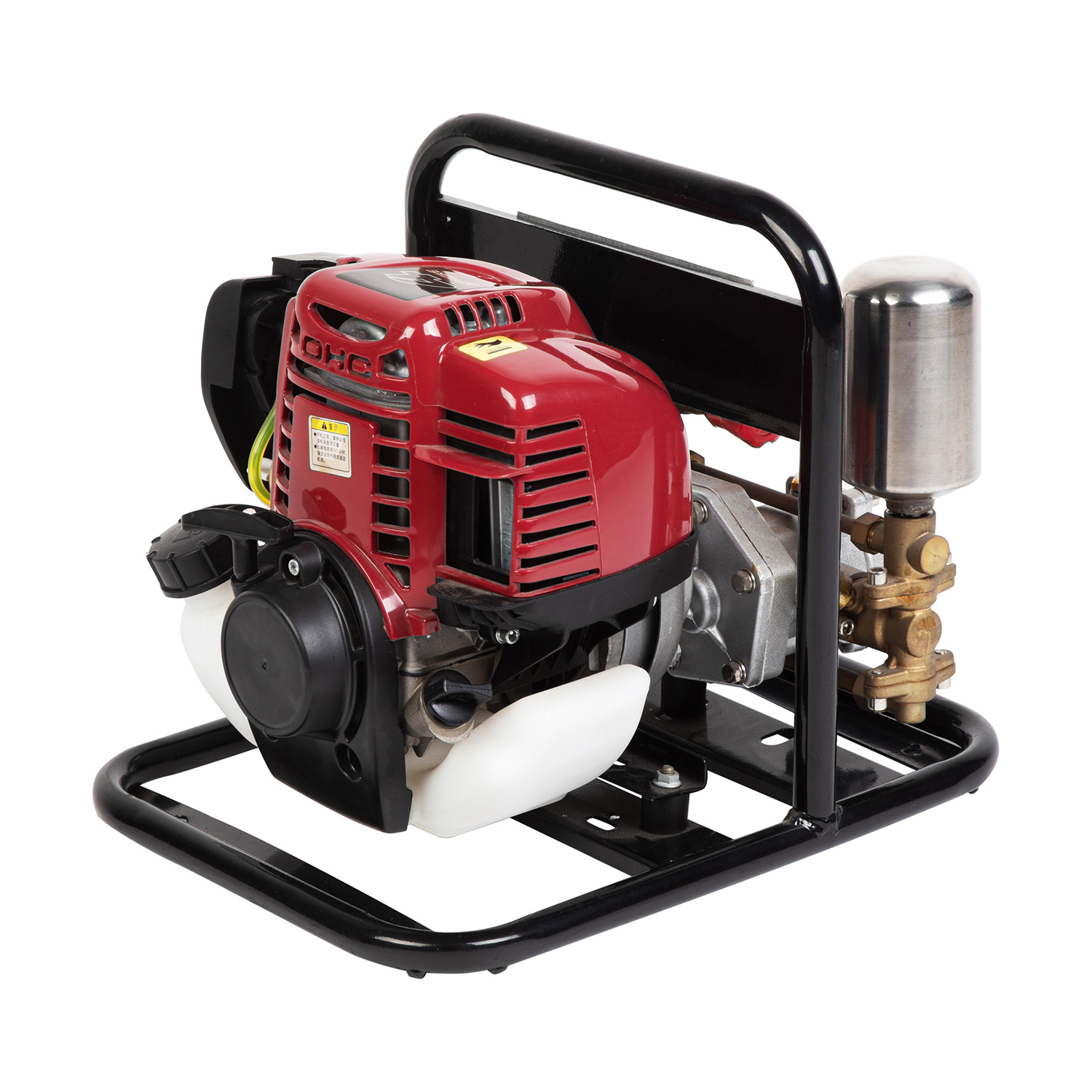
Let’s cut straight to it: agricultural sprayer is the universal term. It's the name you'll find in technical manuals, product catalogs, and government documents. Depending on where you are, you might also hear:
● Crop sprayer: Popular in everyday farm talk
● Field sprayer: Common in large-scale agriculture
● Fertiliser sprayer: Emphasizes its nutrient-application function
All of them point to one thing—equipment that sprays liquid over crops.
Although both tools help distribute products across fields, they're not interchangeable. Sprayers handle liquids, while spreaders handle solids like granules or powders. Farmers often use both based on seasonal needs.
Feature | Agricultural Sprayer | Fertiliser Spreader |
Application Material | Liquid solutions | Solid granules or powders |
Use Cases | Pesticides, herbicides, liquids | Urea, compost, lime |
Common Attachment Type | Boom, handheld, drone | Disc, pendulum, broadcast |
Sprayers use pumps and nozzles. Spreaders rely on discs or drop mechanisms. Many farms operate both, choosing based on crop stage and input type. Liquid fertiliser always requires an agricultural sprayer, even if your farm already owns a granular spreader.
Different sprayers go by different names depending on their build and function. Here's a breakdown:
● Boom sprayers: Used for large, flat areas—these attach to tractors.
● Backpack sprayers: Carried on the operator’s back, perfect for spot spraying.
● Mounted sprayers: Small tanks directly connected to tractors.
● Drone sprayers: Used for hilly or uneven terrain, operated via GPS.
Some manufacturers like Kesiwo also use the term power sprayers, highlighting their motorized function. Their units often double as garden tools or water pumps—making them a top pick for multi-purpose use.
These dominate row-crop farming.
● Boom sprayers mount long horizontal arms on tractors for wide coverage.
● Mounted sprayers attach to a tractor’s three-point hitch. They suit small to mid-size farms.
● Trailed sprayers ride on their own wheels and connect behind tractors. They carry larger tanks for extended operation.
They balance capacity, affordability, and ease of maintenance.
Self-propelled units operate as standalone machines. They include:
● High-clearance chassis
● Integrated cabins
● Large booms
● Advanced control systems
Large farms favor them for speed and productivity.
For small plots or targeted work, portability matters.
● Backpack sprayers support manual or battery operation.
● Handheld sprayers handle spot treatments in gardens or greenhouses.
They cost less and require minimal setup.
Broadacre farms may use aircraft for fast application. Meanwhile, drone sprayers gain popularity for precision jobs on uneven or remote terrain.
They excel at:
● Variable-rate spraying
● Access to hard-to-reach areas
● Reducing operator exposure
Type | Best For | Key Feature |
Boom Sprayer | Row crops | Wide horizontal boom arms |
Mounted Sprayer | Small–mid farms | Connects to tractor hitch |
Trailed Sprayer | Extended operations | Large tank, towed by tractor |
Self-Propelled Sprayer | Large-scale spraying | Independent engine and cabin |
Backpack Sprayer | Small plots | Manual or battery-powered use |
Handheld Sprayer | Spot applications | Compact, easy to operate |
Aerial Sprayer | Broad coverage | Aircraft-based application |
Drone Sprayer | Precision zones | GPS-guided, terrain adaptable |
● Tank: This is where the liquid mix goes. Capacities vary from under 20 liters for handheld models to over 3,000 liters for boom sprayers.
● Pump: Pushes the liquid through the system. The stronger the pump, the more consistent the flow.
● Nozzles: Control droplet size and spray shape. Adjustable nozzles let you fine-tune for different crops.
● Booms: These extend reach—especially in field sprayers—and can fold for transport.
Component | Function | Importance Level |
Tank | Stores spraying liquid | High |
Pump | Pressurizes the liquid | Critical |
Nozzles | Controls spray pattern | Essential |
Boom | Expands coverage width | Important |
Boom height affects coverage, while nozzle spacing impacts uniformity. Today’s models feature automatic section control, allowing only the required sections to spray, reducing overlap. Some boom systems integrate GPS control, enabling precision spraying—useful in minimizing chemical waste.
Sprayers by Kesiwo are often praised for solid construction and customizable control units. Their design focuses on efficient use of materials while reducing operational cost.
Not every sprayer fits every job. A big unit won’t help in tight greenhouses, while a small backpack won’t serve 100 acres.
Here’s what to consider:
● Field size: Big fields demand higher tank volumes and longer booms.
● Terrain: Slopes may need UTV or drone sprayers.
● Crop type: Some crops need fine mist; others need strong bursts.
● Budget: More features = higher upfront cost but better efficiency long-term.
Choosing between a sprayer and a spreader isn’t just about the equipment—it’s about the material you’re applying. Whether you're handling liquids or solids, selecting the right tool ensures precision, reduces waste, and saves time in the field. Here’s a simple comparison to guide your decision:
Application Type | Use This Tool | Material Form | Key Advantage |
Liquid | Sprayer | Fertilizers, herbicides, pesticides | Precise droplet control, less runoff |
Granular | Spreader | Solid fertilisers, pellets | Even distribution across wide areas |
Accurate use of agricultural sprayers not only improves crop nutrient uptake but also lowers chemical costs and reduces labor over time.
Not every field is the same, and not every crop responds to standard spraying methods. Some environments—like orchards, steep terrain, or small organic plots—require tailored solutions. Specialized agricultural sprayers are designed to meet these unique demands, offering greater control, reach, or mobility where standard equipment falls short.
Sprayer Type | Ideal For | Key Feature |
Airblast Sprayer | Orchards, vineyards | High-speed fans for dense canopies |
Truck-Mounted Sprayer | Rough or varied terrain | High mobility + large tank capacity |
High-Pressure Sprayer | Tall or hard-to-reach crops | Strong output for vertical spraying |
Lightweight Sprayers | Greenhouses, urban, organic | Compact design, easy maneuverability |
Precision agriculture shapes today’s market.
Farmers now expect:
● GPS-based guidance
● Data-driven application
● Reduced chemical drift
● Faster setup
Automation continues to expand, especially in drone and variable-rate systems. Sustainability also drives demand for targeted spraying that limits runoff.
Brands such as Kesiwo focus on cost-effective engineering backed by quality control, global certifications, and customization options. Their approach reflects a broader shift toward adaptable equipment for diverse markets.
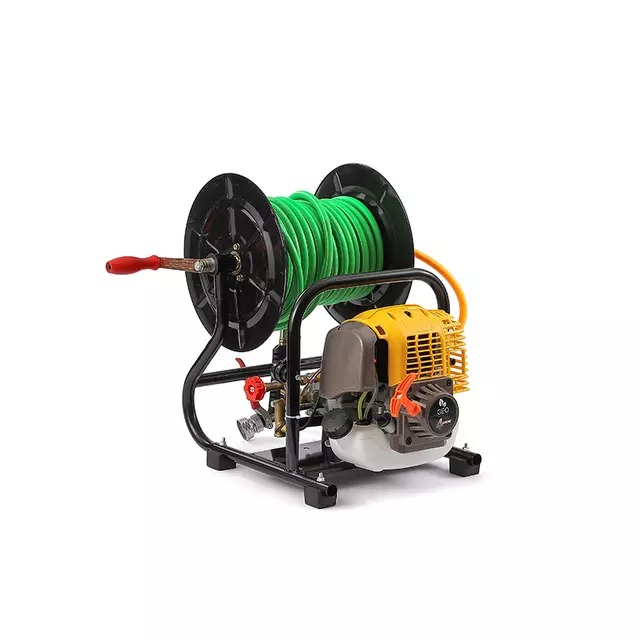
Choosing a sprayer is only half the battle. Picking the right manufacturer ensures long-term success.
Here’s what serious buyers should check:
Feature | Why It Matters |
Quality Control Standards | Reduces risk of faulty parts or breakdowns |
International Certifications | Simplifies cross-border sales |
Customization Options | Aligns with local farming needs |
After-Sales Support | Critical for part replacements or repair |
Note: Manufacturers like Kesiwo go beyond volume—they focus on long-term partnerships. Their 10,000-unit annual output meets large demand, while dedicated reps provide responses within 2 working days.
A crop sprayer is professionally known as an agricultural sprayer, a term that includes everything from handheld units to advanced self-propelled machines. Understanding this terminology helps farmers make informed decisions when comparing equipment, reading catalogs, or discussing needs with suppliers. Choosing the right type of sprayer based on farm size, terrain, and input materials can greatly improve application efficiency, reduce waste, and boost productivity.
Trusted manufacturers like Taizhou Kesiwo Garden Tools Co., Ltd. support this process by offering reliable, customizable agricultural sprayers designed for real-world use. Their products combine strict quality control with modern features, making them a practical and valuable choice for farms looking to scale operations with confidence.
A: A crop sprayer is most commonly referred to as an agricultural sprayer, a term that includes all equipment used to apply liquid substances like fertilizers, pesticides, or herbicides to crops.
A: Yes, agricultural sprayers come in many forms, including boom sprayers, backpack sprayers, drone sprayers, and self-propelled models, each designed for specific farm sizes and applications.
A: Agricultural sprayers help farmers apply chemicals evenly and efficiently, reducing waste, protecting crops, and saving labor across large or difficult terrain.
A: Choosing the right crop sprayer depends on your farm size, crop type, terrain, and whether you're applying liquid or granular materials. Understanding how different agricultural sprayers work is key.
A: Sprayers apply liquid solutions, while fertiliser spreaders handle solid materials like granules or powders. Both play different roles in crop care.
A: Prices vary widely based on size, type, and features. Portable units cost less, while self-propelled agricultural sprayers with GPS can be a larger investment but offer greater efficiency.


