
Views: 0 Author: Site Editor Publish Time: 2026-02-02 Origin: Site


Ever wonder how farmers protect crops at scale, yet keep inputs precise? It starts with spraying. What looks simple often drives yield, quality, and profit across modern farms. Spraying in agriculture goes far beyond spreading liquids. It delivers fertilizers, herbicides, pesticides, and fungicides straight to plants or soil, helping crops grow stronger while keeping pests under control.
To make this work, growers rely on Agricultural Sprayers—from handheld units to advanced self‑propelled machines that turn liquids into fine, targeted droplets. In this article, you’ll learn what agricultural spraying really means, how sprayers work, when to apply treatments, and why smart spraying plays such a central role in today’s productive, efficient farming systems.
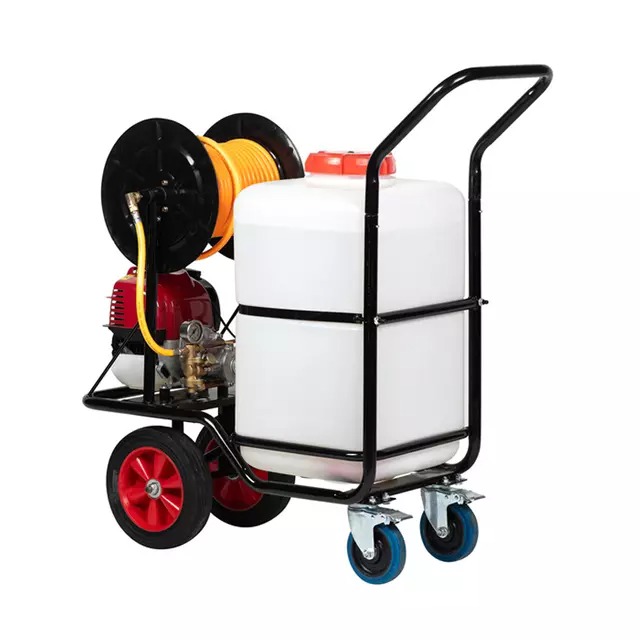
At its core, agricultural spraying is the targeted application of liquid solutions onto crops or soil. These solutions include nutrients, pest control agents, and weed killers. Spraying ensures that these substances reach the right place, at the right time, in the right amount.
In crop production, spraying serves as a vital tool for maintaining plant health and maximizing field performance. It plays a strategic role throughout the growing season by addressing several key agricultural needs:
● Pest and disease control: Protects crops from harmful insects and plant pathogens.
● Nutrient delivery: Supplies essential nutrients during critical stages of plant growth.
● Weed suppression: Reduces competition for sunlight, water, and soil nutrients.
Agricultural sprayers act as the critical bridge between crop inputs and effective field application. By delivering chemicals accurately and efficiently, they support healthier plants while promoting sustainable practices.
Function | Description |
Droplet Conversion | Convert liquids into fine, targeted droplets. |
Even Distribution | Apply spray uniformly across large or specific areas. |
Waste Reduction | Minimize chemical usage and environmental impact. |
Precision in spraying helps lower input costs and reduces the environmental footprint—both essential for sustainable agriculture.
Different types of agricultural sprayers are designed to meet the specific needs of various farm sizes, terrains, and application goals. Choosing the right type ensures efficient, targeted treatment without overuse or waste.
Type | Application Area | Ideal For |
Boom Sprayers | Wide, flat farmland | Uniform large-scale spraying |
Backpack & Handheld Units | Orchards, gardens, greenhouses | Small plots or precise zones |
Self-Propelled Machines | Open-field commercial farms | Tech-enabled, large operations |
Drone Sprayers | Uneven, sensitive terrain | Aerial precision applications |
Each type serves a specific purpose. Boom sprayers dominate flat acreage, while drones shine in hard-to-reach spots. Smaller sprayers give farmers the flexibility to treat only what’s needed—nothing more.
1. Nozzles: Control droplet size and spray pattern.
2. Pressure system: Affects reach and uniformity.
3. Tank: Holds the solution; size varies by model.
Proper configuration of these parts ensures efficiency and minimizes chemical drift.
Kesiwo is a well-established brand in the global market, known for delivering:
● High-quality, cost-effective sprayers.
● A product line that includes power sprayers, mini tillers, and brush cutters.
● Customization options for packaging, color, and function.
● Certifications such as ISO9001 and CE, ensuring compliance with international standards.
Their commitment to quality control and after-sales support makes them a reliable choice for distributors and large-scale buyers.
Spraying success depends on weather:
● Temperature: Stay below 30°C.
● Wind speed: Ideal between 3–10 km/h.
● Humidity: Best above 50%.
These factors prevent spray drift and ensure the product reaches its target.
The best times to spray:
● Early morning or late afternoon (when conditions are stable).
● During key crop stages like flowering or early rooting.
● At the first sign of pest or disease presence.
Advanced sprayers now include:
● Weather sensors: Measure on-site conditions in real time.
● Flow controllers: Adjust output automatically based on speed and terrain.
● AI-guided alerts: Recommend optimal spraying windows.
Such tools help farmers spray smarter, not harder.Spraying performance is highly influenced by environmental conditions and timing. Proper scheduling and smart technology make applications more effective and less wasteful.
Ideal Conditions | Temperature < 30°C, Wind 3–10 km/h, Humidity > 50% |
Best Spraying Times | Early morning or late afternoon |
Key Crop Stages | Flowering, early rooting |
Pest/Disease Response | At first visible signs |
Smart Monitoring Tools | Weather sensors, flow control, AI spraying alerts |
This method covers the entire field, ensuring every plant receives the same treatment. It's ideal for widespread nutrient or pesticide application across uniform crops. While highly efficient, it typically uses more chemicals, which may lead to higher input costs.
Spot spraying targets only specific problem areas, such as weed patches or zones affected by pests or disease. It reduces chemical use, lowers environmental impact, and is especially useful when issues are localized rather than field-wide.
Spraying methods vary based on timing and crop needs. Two common techniques—soil and foliar spraying—offer different benefits depending on the stage of crop development and treatment goals.
Type | Target | Common Use |
Soil Spraying | Ground before sowing | Weed and pest control |
Foliar Spray | Leaves and stems | Nutrient or pesticide delivery |
Soil spraying is typically used in early-season preparation, while foliar applications are most effective during active growth phases in mid-season.
Precision spraying technologies allow farmers to optimize input use while improving accuracy and consistency. These advanced methods make treatments more effective and sustainable, especially across large or variable terrain.
● GPS mapping: Guides sprayers along planned routes.
● Nozzle-by-nozzle control: Adjusts application in real time.
● AI-powered Eco Sprayers: Apply herbicide only where weeds are detected.
Kesiwo offers compatible sprayers that integrate with these technologies, supporting precision agriculture strategies.
Proper calibration and daily care play a major role in spraying accuracy and equipment lifespan. When settings, speed, and maintenance work together, farmers achieve consistent application while protecting both crops and machinery.
Practice Area | Key Actions | Impact |
Calibration Results | Prevents misapplication | Improves crop performance and reduces waste |
Output Testing | Confirms correct spray rate | Ensures uniform chemical distribution |
Speed & Pressure | Adjusts based on machine speed | Maintains consistent coverage across fields |
Cleaning Routine | Flush tanks and nozzles after each use | Prevents clogging and contamination |
Component Checks | Inspect seals, hoses, and filters | Avoids breakdowns and leakage |
Storage | Store in a dry, covered area | Extends sprayer lifespan and protects parts |
A well-maintained sprayer can last for years, reducing long-term investment costs.
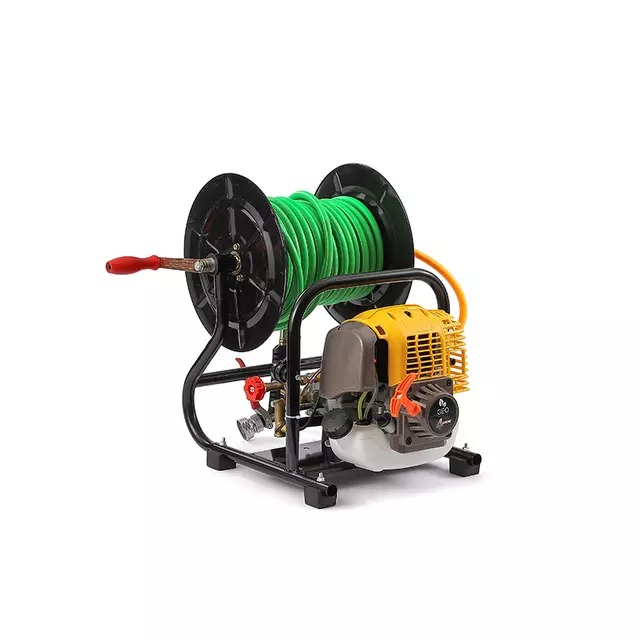
Timely and even application of nutrients and protectants leads to:
● Healthier plants.
● Higher quality crops.
● Consistent yields.
Precision ensures each plant gets exactly what it needs, improving overall field performance.
Sprayers reduce the need for manual application and optimize chemical usage—cutting down labor hours and input expenses. They make it easier to manage large areas with less workforce and support tighter scheduling during peak seasons.
Precision sprayers minimize runoff and drift. Technologies like Eco Spray apply chemicals only where needed, saving up to 90% of product (source: needs verification). This helps protect both soil and water while meeting sustainability goals.
Modern agricultural sprayers adapt to:
● Multiple crop types.
● Varying field conditions.
● Different farming scales—from smallholders to large commercial farms.
They offer flexible solutions that grow alongside the farm’s needs and expansion.
Benefit Area | Core Advantage |
Yield Optimization | Healthier crops, consistent output |
Labor & Cost Saving | Reduced hours, optimized inputs |
Environmental Care | Less runoff, targeted application |
Versatility | Works across crops and farm sizes |
Spraying is a core farming practice. It protects crops, feeds plants, and controls weeds. Modern Agricultural Sprayers bring precision, speed, and scale to daily field work.
Choosing the right sprayer shapes results. Taizhou Kesiwo Garden Tools Co., Ltd. delivers certified, customizable, high‑performance sprayers. Their products support efficient operation, stable quality, and dependable service for global buyers. When timing, technique, and equipment align, farmers gain stronger harvests, lower input costs, and smarter, more sustainable production.
A: It’s the controlled application of liquids—such as fertilizers, pesticides, or herbicides—onto crops or soil to improve plant health and yield.
A: Agricultural Sprayers deliver liquids evenly and efficiently, saving time and reducing waste, while ensuring crops receive accurate treatment.
A: There are boom, backpack, self-propelled, and drone sprayers, each designed for specific farm sizes, terrains, and application needs.
A: Early morning or late afternoon, with mild temperatures, low wind, and high humidity, ensures optimal absorption and minimal drift.
A: Proper calibration guarantees the correct dosage per area, avoiding over-application, reducing costs, and protecting crop health.
A: Regularly flush tanks, inspect nozzles, check pressure systems, and store the sprayer in a clean, dry area to keep it functioning well.


