
Views: 0 Author: Site Editor Publish Time: 2026-01-29 Origin: Site


Modern farming depends on speed, accuracy, and smart equipment. As crop margins tighten and labor costs rise, growers need tools that deliver consistent results. That’s why Agricultural Sprayers have become essential across farms of every size. These machines apply fertilizers, pesticides, and herbicides in controlled patterns, helping crops stay healthy while reducing waste.
In this article, we explain what agricultural sprayers are and how they work. You’ll also learn about common sprayer types, key components, and real-world applications. By the end, you’ll understand how the right sprayer improves productivity and supports more sustainable farming decisions.
An agricultural sprayer is a mechanized device that applies liquids like pesticides, fertilizers, or water to crops. Its primary goal is to ensure even distribution, reduce waste, and support healthy plant growth. Agricultural sprayers are widely used in both small-scale gardens and large-scale commercial farms.
At the core, all sprayers do the same thing: pressurize liquid and release it through nozzles. But the tech inside can vary widely. The pump builds pressure in the tank. Once activated, this pressure forces the liquid through hoses and into nozzles. Depending on the type of nozzle, the output becomes a fine mist, targeted stream, or wide-angle spray.
Some units let you adjust droplet size. Others offer multiple nozzles for different spray patterns. On larger farms, booms mounted on tractors stretch out across rows of crops, ensuring broad, even coverage. Want to control every detail? GPS and automation features let operators pre-program spray zones, flow rates, and timing.
Component | Function | Notes |
Pump | Builds liquid pressure | Types: diaphragm, piston, centrifugal |
Nozzles | Distribute spray evenly | Different shapes for different tasks |
Tank | Holds chemical or water mix | Varies in size (5–1000L) |
Hose/Boom | Transfers liquid to nozzles | Boom sprayers cover wide areas |
Controller | Regulates pressure & flow | Some models offer GPS integration |
Let’s talk about what really matters—results. Sprayers aren’t just convenient. They bring real-world benefits that impact yield, cost, and sustainability.
● Save Time: A job that takes a team hours can now be done by one person in minutes.
● Use Less Chemical: Sprayers target specific zones, reducing runoff and excess use.
● Boost Yields: Healthier crops mean more harvest, better prices, and stronger seasons.
● Protect Workers: Machines take on the riskiest jobs, like pesticide application, reducing exposure.
Companies like Kesiwo have capitalized on these benefits by building sprayers that combine simplicity with smart engineering. Their products are built to last and backed by a strong quality control system—each unit is tested before shipping, and defective parts are rejected outright.
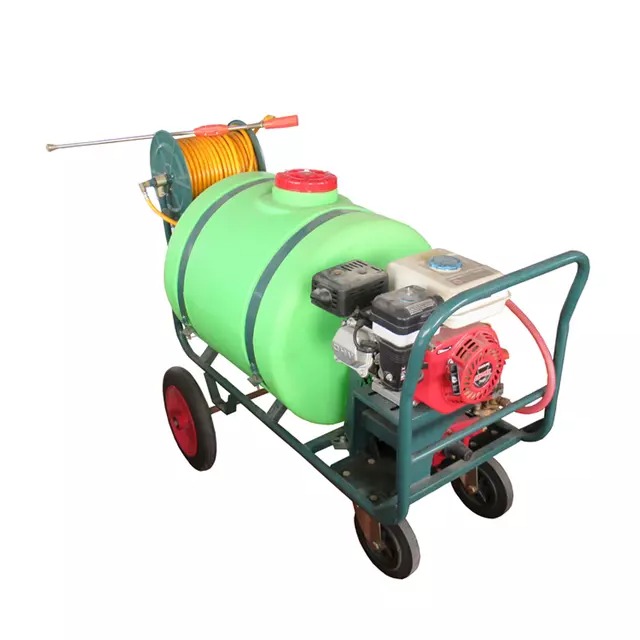
Knapsack sprayers are carried on the user’s back and are perfect for precision tasks like treating small plots, orchards, and dense tree rows. Leading manufacturers like Kesiwo offer ergonomic, lightweight designs with adjustable nozzles, making them ideal for labor-intensive operations that demand mobility and flexibility in varied terrain.
Used for gardens, greenhouses, and spot treatments, handheld sprayers are highly cost-effective and provide excellent control when applying treatments to localized areas or delicate, fragile crops where precision is essential.
These powerful sprayers are towed behind or mounted on tractors, allowing for high-volume spraying across expansive fields. They’re especially suitable for uniform application on row crops like corn, wheat, and soybeans, where consistency and speed are crucial.
These fully motorized units come equipped with GPS, auto-steering, advanced sensors, and flow controls. Self-propelled sprayers are ideal for large commercial farms aiming to automate and monitor spray coverage in real time while minimizing overlaps and input waste.
Spraying drones, or UAVs, are rapidly gaining popularity for their efficiency in high-precision tasks. They’re especially effective in steep or uneven terrain, orchards, or areas with limited ground accessibility, where traditional sprayers fall short.
Sprayer Type | Best For | Key Feature |
Knapsack | Orchards, small plots | Portable control |
Handheld | Gardens, greenhouses | Spot precision |
Trailed / Mounted | Large crop fields | Wide coverage |
Self-Propelled | Commercial farms | GPS automation |
Drone | Uneven terrain | Aerial accuracy |
The tank holds your chemical mix. It can be as small as 5 liters or as large as 1000+. Pumps control pressure, and nozzles shape your spray. Match them wisely. Want high pressure? Go piston or diaphragm. Need speed? Centrifugal pumps are your friend.
Kesiwo offers modular tank sizes with durable materials and compatible pumps across their product line, making spare part replacements easier and faster.
Booms stretch your spray width. For large fields, wider booms reduce pass count, saving fuel and time. Pressure regulators let you control how much chemical hits the crop. No matter the crop type, consistent output means better coverage.
Component | Options Available | Importance |
Tank | Polyethylene, steel | Chemical resistance |
Pump | Diaphragm, piston, centrifugal | Determines spray force |
Nozzles | Flat-fan, cone, air-induction | Controls droplet size & pattern |
Boom Width | 1–36 meters | Impacts coverage area per pass |
Agricultural sprayers do much more than apply chemicals. They help farmers deliver nutrients, manage diseases, and even maintain hygiene in livestock environments. Whether you're growing vegetables or raising livestock, sprayers bring precision and efficiency to essential farm operations.
Application Area | Purpose | Key Benefit |
Fertilizer Application | Deliver liquid nutrients to crops | Improves absorption and reduces nutrient waste |
Pest and Disease Control | Apply pesticides and fungicides | Protects crops during vulnerable growth stages |
Water Spraying | Irrigate or cool plant surfaces | Maintains ideal conditions in dry or hot zones |
Precision Herbicide Distribution | Target unwanted weeds only | Reduces crop exposure and slows resistance buildup |
Sanitation in Livestock Areas | Disinfect barns and storage areas | Prevents outbreaks and controls insect presence |
These use cases demonstrate how versatile Agricultural Sprayers are across different farm systems. By matching the right sprayer to the task, growers can enhance both productivity and sustainability with every application.
Select a sprayer that matches both your farm layout and planting structure. For example, narrow-row crops or uneven terrain may require high-clearance frames or narrower booms to ensure full access and avoid crop damage during application.
Electric sprayers can significantly reduce manual labor, especially on medium to large farms, but may come with a higher initial investment. Kesiwo’s diverse product range is designed to accommodate various budget levels while still maintaining performance, durability, and ease of use.
Taller canopies and denser crops often require more powerful pumps and extended spray booms to achieve consistent coverage. Adjustable pressure systems are especially helpful when dealing with mixed fields or delicate seedling zones, where over-spraying could cause damage.
Choose sprayers from reliable brands like Kesiwo, which offer strong after-sales service, consistent quality control, and quick access to spare parts. Having dependable support reduces downtime and ensures your sprayer stays field-ready throughout the growing season.
Modern farms benefit from connected tools. Select a sprayer that can integrate with your farm’s existing digital platforms, allowing you to automate routines, monitor chemical usage in real time, and generate detailed reports for compliance and planning.
● Check hoses and seals for cracks or leaks
● Ensure nozzles are clean and correctly aligned
● Confirm pump pressure and tank integrity
1. Mix the solution according to product labels
2. Fill tank without overloading
3. Prime pump and check spray pattern
4. Begin application, maintaining steady pace and pressure
Flush the system thoroughly after each use to avoid chemical buildup inside hoses and nozzles. Remove filters for rinsing when needed. Store sprayers in a cool, dry place away from direct sunlight to prevent material aging and extend equipment lifespan.
Problem | Possible Cause | Quick Fix |
Uneven spray | Clogged nozzles | Clean or replace nozzles |
Pressure drops | Pump issue or leaks | Inspect pump seals and hoses |
Chemical residue | Inadequate cleaning | Rinse with neutralizer and water |
Agricultural sprayers do more than apply liquids—they improve how farms operate. By automating input delivery, they support healthier crops, reduce costs, and unlock smarter, data-driven strategies. The table below highlights the key ways sprayers contribute to overall productivity:
Impact Area | Description |
Higher Crop Yields | Timely, even applications strengthen crops and increase harvest volume. |
Reduced Labor Time | Mechanization allows one operator to treat large fields efficiently. |
Lower Chemical Waste | Targeted spraying reduces input use and overall chemical spending. |
Eco-Friendly Practices | Minimizes runoff and supports sustainable farming methods. |
Data-Driven Management | Smart sprayers collect field data for better decision-making. |
By using the right sprayer system, farmers can align output with sustainability goals—while keeping productivity high and costs under control.
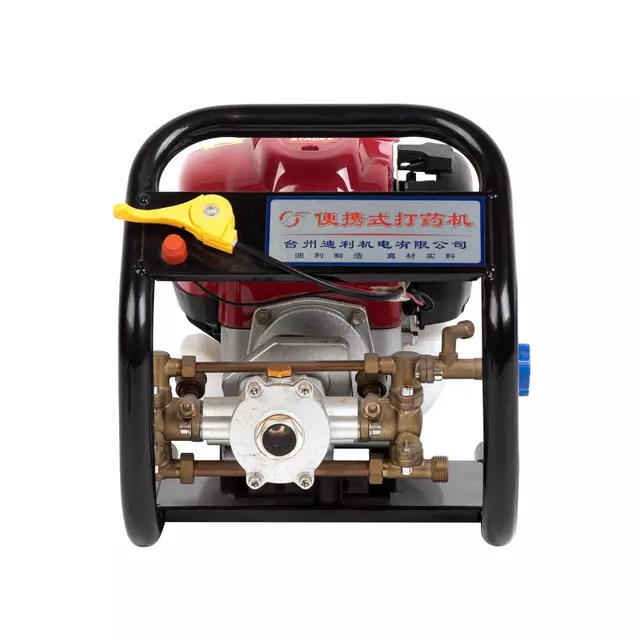
Agricultural Sprayers turn modern farming into precision work. They help growers protect crops, apply nutrients, save labor, and control costs across fields of every size. From handheld units to smart systems, the right sprayer boosts efficiency and improves yields. It also supports sustainable practices through accurate, targeted application.
Taizhou Kesiwo Garden Tools Co., Ltd. delivers reliable sprayers built for real farms, offering durable designs, flexible product options, and responsive service that create long-term value.
A: An agricultural sprayer applies fertilizers, herbicides, and pesticides to crops. Agricultural Sprayers ensure even distribution and reduce manual labor.
A: Agricultural Sprayers deliver precise amounts of liquid where needed. This reduces waste, saves time, and supports better crop health.
A: Options include handheld, knapsack, trailed, mounted, and drone sprayers. Agricultural Sprayers vary based on farm size and application needs.
A: Prices range from under $100 for small units to several thousand for automated or large-scale sprayers, depending on features and capacity.
A: A reliable sprayer increases productivity and lowers long-term costs. Agricultural Sprayers also support precision farming and reduce input waste.
A: Clean nozzles regularly, inspect hoses and seals, and flush the tank after each use. Good maintenance keeps Agricultural Sprayers working efficiently.


