
Views: 0 Author: Site Editor Publish Time: 2026-02-16 Origin: Site


People often confuse spreaders and sprayers because they both apply products to land or plants. At first glance, they seem similar, yet they solve very different problems in lawn care and agriculture. A spreader distributes dry granules across soil, while a sprayer moves liquid through nozzles for controlled placement.
If you manage lawns, sports fields, orchards, row crops, or large commercial sites, this difference quickly affects results, labor time, and product performance. In this article, we focus on one clear question: what is the difference between a spreader and a sprayer? You will also learn how Agricultural Sprayers support modern crop and property management, plus when each tool makes the most sense for real-world operations.
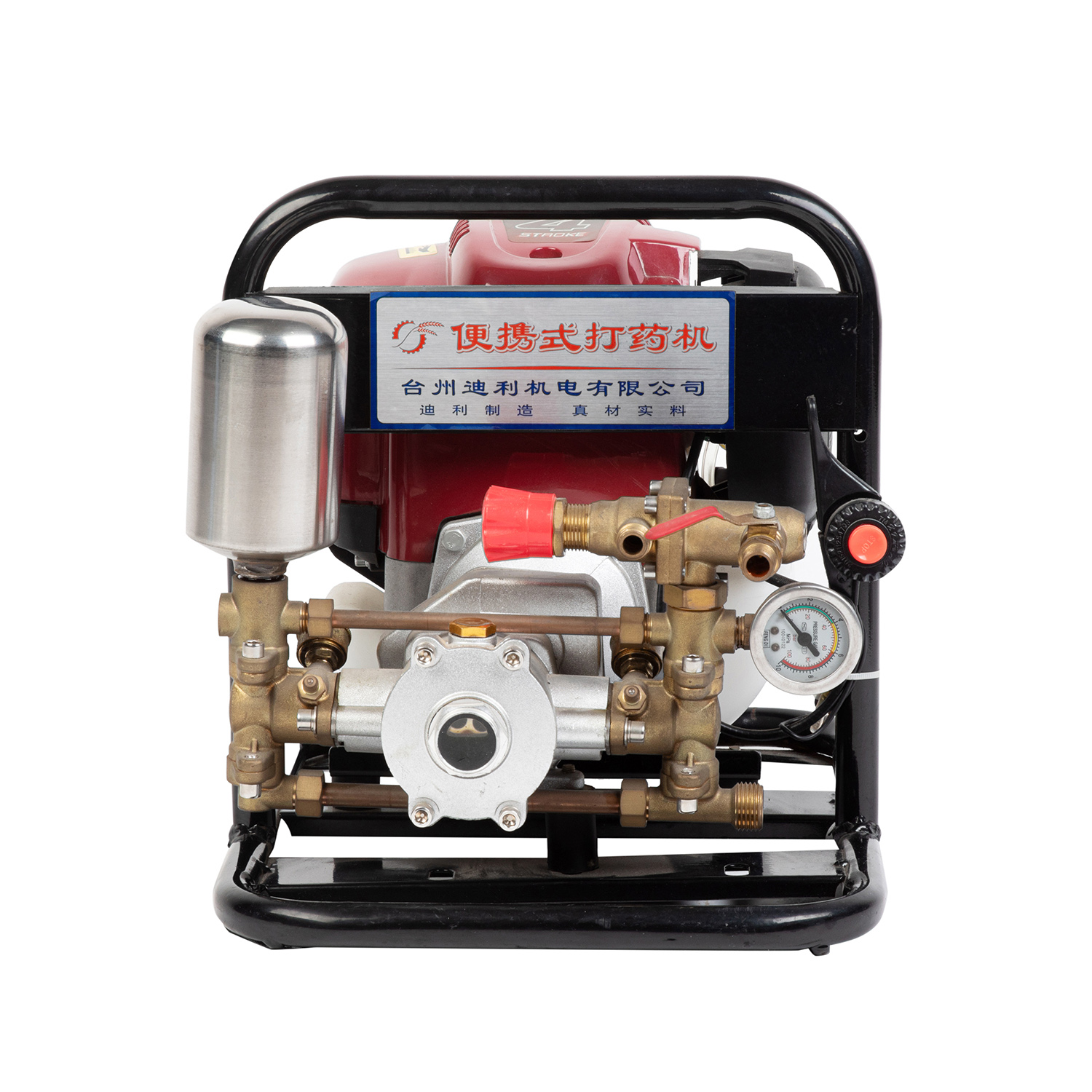
The fastest way to separate these tools comes down to product form. A spreader handles dry, granular materials. A sprayer handles liquids. Once you lock this in, most decisions become easier.
Granules include fertilizer pellets, grass seed, and soil amendments. They fall to the ground and work from the soil up. Liquids include herbicides, pesticides, fungicides, and liquid fertilizer. They travel through pumps and nozzles, then land on leaves, stems, or soil bands.
Here is a simple comparison many B2B teams keep on hand:
Factor | Spreader | Sprayer |
Product form | Dry granules | Liquid mixes |
Main target | Soil, turf | Foliage, rows, zones |
Delivery | Mechanical drop or spinner | Pump + nozzle spray |
Typical jobs | Seeding, base feeding | Protection, foliar feeding |
They look similar at first glance. Their outputs feel completely different in the field.
They deliver material in very different ways, so the “pattern” and “hit” differ too.
Spreaders rely on mechanical distribution:
● Drop spreaders release granules straight down through a gate.
● Broadcast (spinner) spreaders drop granules onto a spinning disc. The disc throws them outward.
Sprayers rely on hydraulic delivery:
● A pump moves liquid from a tank.
● Pressure pushes it through a hose.
● Nozzles break it into droplets and shape the spray pattern.
It’s the nozzle that turns a plain liquid stream into a consistent, repeatable application. That’s why sprayers can be tuned for different targets, like leaves, stems, or soil bands.
Coverage is where the difference feels most practical.
Spreaders focus on wide ground coverage. You use them when the goal is “treat this entire area.” Granules land on the surface and settle into turf or soil.
Agricultural Sprayers support precision. You can aim them at foliage, rows, edges, or a specific patch. You can also change droplet size and pattern by swapping nozzles or adjusting pressure (depending on the setup). This helps when the target is not the ground alone.
When a job needs “only here, not there,” spraying usually fits better.
Here is the simplest way to decide:
Use a spreader for:
● Seeding
● Base granular fertilization
● Soil amendments in pellet or granule form
Use a sprayer for:
● Weed control
● Pest management
● Foliar feeding
● Liquid fertilizer programs
● Spot treatments and edge work
Summary for busy readers: A spreader distributes dry granules across the ground. A sprayer delivers liquid through nozzles for controlled placement. Pick the tool based on product form and target surface.
Spreaders fit dry, granular products. In turf work, granular fertilizer and seed are common. In facilities work, sand or similar granular materials can show up. In agriculture, granules may include soil conditioners or pellet blends used for base nutrition.
Because granules fall and settle, spreaders work best where gravity helps. The product lands on the surface and stays put, then irrigation or rainfall moves it into soil.
Common spreader types appear below:
Type | Best fit |
Broadcast | Large open areas |
Drop | Edges, narrow strips |
Handheld | Small patches, repairs |
Each type solves a different space problem. Broadcast models move fast. Drop units provide control. Handheld tools support quick fixes. Operators like spreaders because they feel simple. There is no pump. No hose. No nozzle cleaning. Set the gate, keep pace, finish the pass.
Spreaders shine in large open areas. They support consistent ground-level distribution across turf and soil. They also work well when crews need speed and simple operation.
They are also strong when the goal is base nutrition. Many programs use granules as the steady baseline, then use sprayers for corrective or targeted work.
A sprayer is more than just a tank and a wand. Several key parts work together to drive real results in the field. Each component affects productivity, spray consistency, and overall application quality, especially when teams need steady performance day after day.
Component | Role in the System | Why It Matters in Daily Use |
Tank | Holds the spray mixture | Tank capacity often links directly to productivity. Larger tanks reduce refill stops and help cover more area per run. |
Pump | Moves liquid and builds pressure | The pump controls flow stability. Steady pressure supports even coverage and predictable application rates. |
Hose & Plumbing | Deliver liquid and manage pressure | Quality plumbing reduces leaks and helps maintain consistent pressure throughout the system. |
Nozzles | Shape spray pattern and droplet size | Nozzles are the “business end” of the sprayer. Proper selection and regular maintenance affect coverage quality as much as the machine itself. |
For teams aiming for repeatable outcomes, paying attention to nozzle choice and routine maintenance matters just as much as selecting the right sprayer model.
Agricultural work leans on liquid application. Many crop protection products are designed for spraying. Foliar nutrition also relies on leaf contact. Even soil-directed treatments often use a spray band for clean placement.
Agricultural Sprayers help teams do three things well:
● Place a product on the intended target
● Cover a large area efficiently
● Repeat the same rate across multiple days and fields
They also support operational planning. A farm manager can map tank mixes, refill points, and crew routes. That becomes harder when equipment can’t hold a stable output.
In sourcing, buyers often look for predictable output and consistent build quality. Some manufacturers, such as Kesiwo, position their sprayer lines around practical field use and production processes that emphasize inspection and reliable delivery.
These fit small plots, gardens, greenhouse lanes, edges, and spot work. They also work for jobs where crews walk plants and treat only what needs treatment.
Backpack sprayers are common in professional use because they keep hands free and support steady work pace. They also help when a site has tight access, stairs, or narrow rows.
Typical uses:
● Spot weed control near hardscape
● Targeted disease treatment in small blocks
● Edge work around irrigation lines
Powered units fit medium-scale orchards, field blocks, and larger properties. They can support higher pressure and steadier flow, which helps coverage.
They often sit in the middle ground:
● More output than manual units
● Less complexity than large tow-behind systems
● A practical step for teams scaling from “small crew” to “multi-field” work
In procurement, powered units often win when labor cost rises. They let crews finish faster, so crews can cover more acres per day. Add a simple maintenance plan and they stay reliable.
These handle large acreage. They support wide booms, higher capacity tanks, and consistent rates across long passes. Farms rely on them for efficiency and repeatability.
Here’s how many operations match scale to sprayer type:
Area size | Common sprayer |
Small plots | Backpack |
Medium fields | Powered |
Large farms | Tow-behind or self-propelled |
This structure keeps equipment aligned with workload.
This is the fastest decision rule:
● Granular product → spreader
● Liquid formulation → Agricultural Sprayers
Procurement teams can build this into ordering workflows. It reduces wrong purchases and avoids “workarounds” in the field.
If your team uses both granules and liquids across the season, plan for both tools. In many operations, they work as a pair rather than as substitutes.
Many operations follow a layered approach that uses both tools across the season:
Timing | Tool Used | Purpose |
Early season | Spreader | Granular base fertilizer application |
Mid-season | Agricultural Sprayers | Foliar feeding pass |
As needed | Agricultural Sprayers | Spot weed or pest treatments based on scouting |
A spreader pass often sets the baseline. A sprayer pass responds to field conditions as they appear.
Agriculture relies more on sprayers because they support precise placement, flexible applications, and efficient large-area coverage. Together, these advantages help teams manage variable fields, repeat application rates, and maintain consistent seasonal workflows.
Key Advantage | How Sprayers Support It | Practical Result |
Precision in crop care | Deliver controlled volume directly to target zones | Helps meet application goals across uneven fields and supports repeatable rates for planning product usage |
Flexible applications | One Agricultural Sprayer handles herbicides, insect control, foliar nutrition, and liquid fertilizer | Reduces tool switching and allows operators to use the same equipment across multiple tasks |
Efficiency at scale | Supports larger coverage per hour and consistent output | Simplifies routing, improves field completion speed, and enables one crew to follow one method |
Operational reliability | Production quality and inspection processes emphasized by brands like Kesiwo | Helps equipment hold up across repeated cycles and maintain steady performance during the season |
For most operators, the practical question remains simple: can the sprayer keep output consistent while supporting daily workloads across the entire season?
In lawn work, both tools show up often.
Common pattern:
● Use a spreader for granular fertilizer and overseeding.
● Use a sprayer for weeds, insects, and fungal issues.
A crew can keep a spreader on the truck for scheduled feeding, then pull a sprayer when a site needs targeted work. This keeps each visit efficient.
In farming, sprayers take the lead because many products are liquid and many targets are on the plant. Agricultural Sprayers support row and canopy treatments, plus large-area coverage.
A typical farm flow:
● Spread granules for base nutrition or soil conditioning
● Spray for crop protection, foliar feeding, and corrective applications
Even when granules play a major role, sprayers still show up often because the need for targeted treatments never fully disappears in real fields.
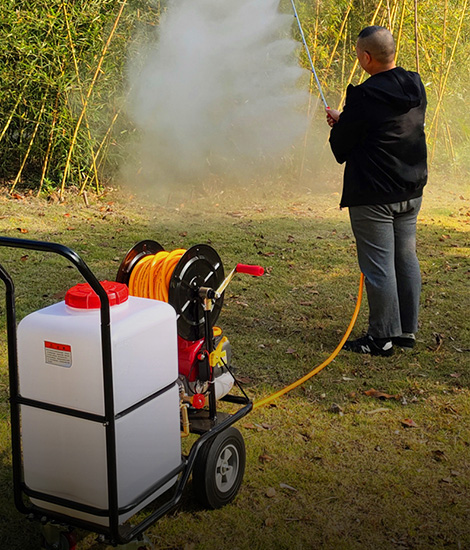
A spreader and a sprayer differ by product form, delivery method, and placement control. Spreaders move dry granules across soil or turf, while sprayers push liquids through pumps and nozzles for precise coverage. In agriculture, Agricultural Sprayers support accurate placement, flexible programs, and efficient large-area work.
When you match each tool to the product and target surface, equipment choices become clear. From there, teams focus on consistency, training, and repeatable workflows across sites and seasons. Companies like Taizhou Kesiwo Garden Tools Co., Ltd. provide practical sprayer solutions designed for steady output and field reliability, helping operators improve productivity and maintain strong results in both lawn care and crop production.
A: A spreader applies dry, granular materials across soil or turf, while Agricultural Sprayers deliver liquid products through pumps and nozzles for controlled placement on plants or targeted areas.
A: Use Agricultural Sprayers when applying liquid fertilizers, herbicides, or pesticides, especially when you need precise coverage on foliage, rows, or specific problem spots.
A: No. Agricultural Sprayers are designed for liquid treatments, while spreaders handle dry products like seed and granular fertilizer. Most operations use both tools for complete coverage.
A: Agricultural Sprayers provide accurate placement, flexible treatment options, and efficient large-area coverage, helping farms improve crop care and manage labor more effectively.
A: Prices vary by size and features, but Agricultural Sprayers often cost more because they include pumps, tanks, and nozzle systems built for professional liquid application.
A: Choose based on product form and target surface. Use spreaders for dry granules on soil, and Agricultural Sprayers for liquid applications on crops or localized areas.


