
Views: 0 Author: Site Editor Publish Time: 2026-09-13 Origin: Site


Preparing soil by hand demands immense physical exertion. It eats up countless hours of valuable weekend time. For decades, gardeners and small-scale farmers relied on heavy shovels and manual hoes to break ground. Today, compact motorized agricultural equipment has entirely transformed this grueling dynamic.
A mini tiller serves as a specialized machine engineered to fracture compacted soil. It seamlessly mixes in organic compost and shreds invasive weeds. These machines rely on robust internal combustion engines or efficient electric motors. They utilize rapidly rotating metal tines to dig deeply into the earth. This aggressive action aerates the seedbed to create the perfect environment for root development.
The modern agricultural market is heavily saturated with diverse models. Options range from gas and diesel variants to front-tine and rear-tine configurations. Navigating these specifications to figure out how to choose a mini tiller feels overwhelming for many buyers. This guide dissects technical parameters, evaluates power sources, and analyzes specific terrain use-cases. We will help you make a confident, evidence-based purchasing decision.
At its mechanical core, this equipment is a heavy-duty soil-prep tool. It operates via an engine that drives a series of star-shaped metal blades known as tines. As the motor revs, these tines spin rapidly. They bite into the earth to churn and loosen the dense soil profile.
Buyers frequently confuse tillers with cultivators. Retailers often use the terms interchangeably on showroom floors. However, they serve fundamentally different agronomic purposes in the field.
| Feature | Mini Tiller | Mini Cultivator |
|---|---|---|
| Primary Function | Breaking hard, unworked ground and virgin soil. | Blending fertilizer and shallow surface weeding. |
| Engine Power | Higher displacement typically 196cc to over 400cc. | Lower power optimized for light surface work. |
| Tine Design | Heavy-duty forged steel designed to dig 6 to 10 inches deep. | Lighter stamped tines designed for shallow mixing. |
| Weight | Heavier frames providing downward pressure for digging. | Lightweight and highly portable often under 30 pounds. |
Imagine trying to break sun-baked clay with a lightweight cultivator. Instead of digging in, the machine will simply bounce off the hard surface. It will jar your arms and accomplish absolutely nothing. In contrast, investing in a true tiller provides the necessary weight and rotational force. It slices through compaction to significantly improve soil aeration.
Understanding where agricultural technology is heading helps future-proof your investment. Recent market analyses reveal a clear divide in soil preparation equipment. Urban gardeners are rapidly adopting high-capacity lithium-ion battery units. These offer zero-emission and low-noise profiles perfect for tight neighborhoods. Meanwhile, the heavy-duty agricultural sector remains firmly anchored in advanced internal combustion technology.
We are seeing a massive consumer shift toward prosumer models. Buyers want commercial-grade durability packed into a manageable residential frame. Manufacturers are responding by making adjustable tine widths and advanced anti-vibration handle systems standard baseline features. This industry movement focuses heavily on reducing operator fatigue while minimizing unnecessary soil compaction during seedbed preparation.
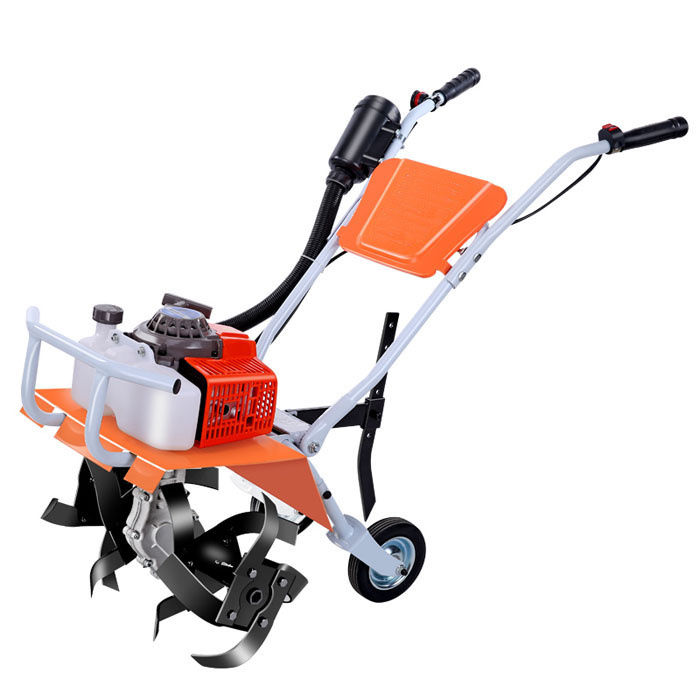
The engine block sits at the heart of your purchasing decision. This power plant dictates the performance ceiling, the maintenance schedule, and the overall operational lifespan of the unit.
Gasoline engines remain the gold standard for medium-to-large residential gardens and boutique farms. These units typically feature robust 196cc to 212cc engines delivering around 6.5 to 7.0 horsepower.
They strike an exceptional balance between raw power, portability, and tine speed. Operators enjoy unrestricted mobility across sprawling properties without dragging electrical cords. The high RPMs allow the forged blades to aggressively chop through dense soil clods and established root systems. For the vast majority of standard farming tasks, a high-quality gasoline power mini tiller is highly recommended. It delivers reliable output to handle demanding outdoor chores without the extreme bulk of commercial tractor implements. You must, however, commit to routine oil changes and proper fuel management to prevent carburetor fouling.
Diesel engines function on entirely different mechanical principles. They utilize high compression rather than spark ignition to burn fuel. This creates a machine that behaves like a relentless workhorse in the field.
The primary engineering advantage here is incredible low-end torque. Commercial-grade units often equip heavy 296cc to 418cc blocks. When a diesel power tiller encounters heavy rocks or dense wet clay, the engine does not bog down. It simply powers through the obstruction. Furthermore, diesel blocks are exceptionally durable and fuel-efficient under continuous heavy loads. The main drawback is the substantial physical weight, often exceeding 200 pounds. This requires significant operator strength to maneuver in tight corners.
Electric models have carved out a dedicated niche in urban gardening. Driven by lithium-ion batteries or standard extension cords, they are remarkably lightweight.
These units operate with a whisper-quiet hum and feature effortless push-button starting mechanisms. They completely eliminate the need for oil changes and winterizing fuel. However, they are strictly limited by runtime or cord length. Their electric motors generally lack the torque required to fracture hard clay. Specifically, electric variants are best reserved for small pre-tilled backyard plots and routine weed maintenance in loose loamy dirt.
Beyond selecting the right power plant, you must evaluate the physical dimensions and structural geometry of the machine. This ensures the equipment will interact harmoniously with your specific terrain.
The placement of the digging blades fundamentally alters the user experience. On front-tine models, the blades sit directly beneath the engine at the front of the machine. The forward rotation of the tines physically pulls the unit along the ground. These machines are highly agile and perfect for navigating tight garden corners.
In contrast, rear-tine models position the digging blades at the back. Heavy powered wheels drive the machine forward independently of the tines. Because the wheels and blades operate separately, rear-tine units are vastly superior for heavy-duty soil breaking. Their larger footprint simply makes them less common in the ultra-compact category.
The dimensions of your tilling path dictate your working efficiency. Narrow widths ranging from 6 to 10 inches are invaluable for carefully cultivating between existing rows of delicate crops. Wider decks spanning 24 to 36 inches allow you to prepare open unplanted ground much faster.
Regarding depth, look for machines equipped with an adjustable rear drag bar. Most compact motorized units are engineered to penetrate 6 to 8 inches into the earth. Agronomists consider this the absolute sweet spot for the root systems of standard vegetables like tomatoes, peppers, and leafy greens.
Understanding engine metrics is vital for predicting field performance. A higher displacement directly correlates to increased torque. A small 40cc engine is perfect for light surface weeding. However, attempting to break virgin clay requires a machine in the 196cc to 212cc range. This critical power threshold prevents the engine from stalling upon impact with compacted earth.
The ultimate goal is to seamlessly align the machine's capabilities with your environmental realities. Overbuying leads to wasted funds and exhausted muscles. Underbuying results in burned-out equipment.
If your cultivation space consists of wooden raised beds or a modest backyard patch, prioritize agility over raw power. Heavy machines become a massive liability in confined spaces. Focus on lightweight models weighing under 35 pounds. Ideally, they should feature integrated carrying handles so you can easily lift the unit into elevated planter boxes.
Operational efficiency takes precedence when managing open plots exceeding 1000 square feet. In these expansive environments, operators should lean toward 4-cycle gas-powered models featuring wider tilling paths. Covering 24 inches of ground per pass rather than 10 inches literally cuts your weekend labor in half.
Soil composition dictates the necessary weight of your equipment. When spinning tines strike hard clay, the kinetic energy instantly transfers back into the frame. If the unit is too light, it will aggressively bounce across the surface. Engineers call this frustrating phenomenon tine walking. To penetrate dense earth, physical weight is your greatest ally. High-capacity gas or heavy diesel models provide the requisite downward gravitational force. They slice through compaction rather than skipping over it.
Even the most robust engine is practically useless if the equipment is too cumbersome to operate. Ergonomics and serviceability must factor heavily into your final decision.
There exists a delicate balance between needing weight for digging friction and requiring lightness for operator control. A 150-pound machine will undoubtedly dig beautifully. It may also prove physically exhausting to wrestle around at the end of a long garden row. Honestly assess your own physical stamina and the layout of your property before committing to a heavy-duty model.
Ergonomic design prevents severe musculoskeletal strain. Machines equipped with height-adjustable handlebars allow you to work upright. This prevents the lower back pain associated with prolonged hunching. Fold-up transport wheels are an absolute lifesaver. They permit you to seamlessly roll the heavy equipment from the garage to the garden without gouging your manicured lawn.
All internal combustion equipment demands upkeep to maintain peak performance. Tilling dry earth generates massive dust clouds that can choke a carburetor within hours. An easily accessible oil-bath air filter is a strict necessity for field longevity. Furthermore, roots and tough vines will inevitably tangle around the tine shaft. Ensure the structural design allows for quick removal of the blades to clear debris safely.
Understanding technical specifications is only half the battle. Sourcing your equipment from a reliable manufacturer guarantees the longevity of your investment. The agricultural tool market is flooded with low-cost disposable machines that completely lack replacement parts or customer support.
When a drive belt snaps or a tine bends, the availability of replacement components dictates whether your machine is repaired or sent to a landfill. Consumers should direct their attention to established suppliers offering transparent technical documentation, robust warranties, and heavy-duty construction. Take the time to explore the professional catalog at agro-tools.com to find the exact brand and model engineered for your specific agricultural demands.
Selecting the ideal soil preparation equipment boils down to three primary factors. You must evaluate your preferred power source, the physical size of your garden, and the density of your soil. By carefully matching a machine's engine displacement and tilling width to your specific environment, you prevent unnecessary physical strain and mechanical failure.
The right motorized cultivator transforms hours of exhausting back-breaking manual labor into a highly efficient outdoor project. Compare specifications, prioritize ergonomic features, and invest in a machine that will serve your agricultural needs for many planting seasons to come.
Yes, but success depends entirely on the engine's power output and the physical weight of the frame. Gas and diesel models with higher displacement possess the torque to break virgin ground. Heavily compacted soil will likely require multiple passes. Lightweight electric models are generally not recommended for unworked rock-hard earth.
Most compact motorized models are engineered to penetrate between 6 to 10 inches into the soil profile. This specific range is scientifically considered the optimal depth for aerating roots, mixing surface compost, and planting standard vegetable gardens.
Four-cycle engines are generally quieter and produce smoother low-end torque. They operate on standard gasoline without requiring the operator to meticulously mix oil and fuel. Two-cycle engines are typically lighter and can operate at steep inclines without risking oil starvation. They do require precise fuel mixtures and generate more exhaust emissions.
Operators should meticulously clear tangled roots, rocks, and thick vegetation from the shaft immediately after every use. Wash off accumulated mud to prevent the metal from rusting and throwing the blades out of balance. Occasionally spraying the tines with a rust-inhibiting penetrating oil before long-term winter storage will significantly extend the operational life of the metal.
For light weeding in pre-worked soil, 1 to 3 horsepower is sufficient. Breaking heavily compacted clay or virgin ground requires a minimum of 5.5 to 7.0 horsepower. Commercial agricultural applications benefit greatly from diesel engines exceeding 9.0 horsepower to maintain continuous torque without overheating.
You should guide the machine rather than force it. Front-tine tillers naturally pull themselves forward, requiring the operator to hold back slightly to allow the tines to dig deeply. Rear-tine models are self-propelled by their wheels, meaning you simply steer the handles while the machine does the heavy pushing and digging for you.


