
Views: 0 Author: Site Editor Publish Time: 2026-09-16 Origin: Site


Upgrading from a manual post-hole digger to an earth auger saves days of backbreaking labor. However, selecting the wrong machine often results in inadequate torque, stalled projects, or physical injury. Whether you plant dozens of bare-root fruit trees, install structural fence posts, or mass-plant seasonal bulbs, your decision matters greatly. You must match the auger’s power and bit size directly to your specific soil composition and project scale. Getting this wrong leads to ruined equipment or poor planting results. This guide breaks down the essential technical specifications, power source limitations, and safety considerations you need. We help you make a confident, long-term equipment investment. You will learn how to navigate soil conditions, pick the correct drill bit, and operate the tool safely for years to come.
Soil dictates power: Heavy clay and rocky soils require higher torque (typically gas or high-voltage electric) compared to loose loam.
Match the bit to the root ball: Choose bit diameters based on the final planting size, not just the current root system, to allow for soil backfill.
Ergonomics over raw power: Kickback prevention and handle vibration dampening are critical features for multi-hole projects to prevent wrist and shoulder strain.
Preparation prevents damage: Clearing work zones of fibrous roots and debris using localized pruning tools is mandatory before engaging the auger bit.
Every landscaping endeavor requires a clear plan before you break ground. You must evaluate your specific needs to buy the right equipment. Establish your primary use case first. This baseline determines the necessary equipment durability. We recommend grouping your projects into specific categories.
Micro-planting: Sinking small seasonal bulbs, bedding plants, and soil aeration tasks.
Large-scale orchard installation: Planting bare-root trees or quart-sized shrubs across a wide area.
Structural fencing: Digging deep, wide holes for heavy wooden posts and concrete backfill.
Once you define the scope, evaluate your terrain. Soil conditions dictate your power needs more than any other factor. Loamy or sandy soil requires very minimal torque. You can easily manage these soft conditions using a standard battery model or even a manual tool. The dirt moves freely. The bit easily pulls soil to the surface.
Heavy clay or compacted dirt tells a different story. These dense materials demand high torque. Weak motors will stall quickly. High torque prevents the bit from binding underground. If the tool binds, it twists violently. This strains your wrists and shoulders.
Rocky terrain and thick roots present the toughest challenges. You need heavy-duty steel flighting to survive impacts. Shock-absorbing springs become essential here. In extreme cases, you may even need a two-man operational setup to maintain control.
Finally, calculate your expected hole volume. Estimate the total number of holes you plan to dig per session. This number dictates your battery amp-hour requirements. It also helps you determine the necessary gas tank capacity. Short sessions need light tools. All-day digging requires heavy-duty sustainability.
You have three primary power categories to consider. Each source offers distinct advantages and distinct limitations. Let us break them down.
Manual hand augers work perfectly for small jobs. They shine in small garden beds and raised planters. You will love them for occasional bulb planting. However, they carry severe limitations. Manual tools become incredibly inefficient for bulk planting. They also demand intense physical effort in hard soil. Your arms will tire quickly.
Cordless or battery-powered earth augers bridge the gap beautifully. They serve residential landscaping exceptionally well. You get excellent results for moderate volume tasks. They also excel in noise-sensitive neighborhoods. You enjoy zero emissions and push-button starts. Maintenance requirements remain very low. However, battery life limits your work time. You absolutely require high-voltage platforms, typically 40V or higher, for deep digging. Standard drill batteries will fail.
Gas-powered augers dominate the commercial space. You will find them in 2-cycle and 4-cycle variations. They handle heavy clay, large orchards, and structural posts effortlessly. Gas units provide unmatched sustained torque. They run as long as you have fuel. However, they carry drawbacks. Two-cycle engines require precise fuel and oil mixing. They demand regular engine maintenance. Furthermore, gas tools weigh significantly more and produce loud exhaust noise.
Tool Type | Best Application | Primary Advantage | Main Limitation |
|---|---|---|---|
Manual | Raised beds, small bulbs | Silent, zero fuel needed | Physically exhausting |
Battery (40V+) | Residential yards, moderate jobs | Push-button start, quiet | Limited by battery runtime |
Gas (2/4 Cycle) | Commercial sites, heavy clay | Maximum sustained torque | Loud, requires engine maintenance |
Understanding technical specifications guarantees a successful purchase. You must look beyond just the motor. The bit diameter and depth capacity determine your digging capabilities. Different planting materials require different hole sizes.
2 to 3-inch bits: These narrow bits handle small tasks. Use them for bulbs, bedding plants, and basic soil aeration. They penetrate quickly.
4 to 6-inch bits: This mid-range size offers versatility. They fit quart-sized plants and bare-root trees. You also use them for standard metal T-posts.
8 to 12-inch bits: These wide bits tackle massive jobs. They accommodate gallon-sized pots. You need this size for 4x4 or 6x6 structural fence posts.
Material quality matters immensely. Cheap metals bend and break under pressure. Look strictly for solid steel shafts. You want continuous, precision-welded flighting. The flighting carries the dirt out of the hole. Replaceable cutting blades extend the tool's lifespan significantly. Fishtail points help the bit grip the soil immediately upon contact. This prevents wandering across the ground.
Anti-kickback and vibration control features protect your body. Never underestimate torque kickback. You must evaluate the presence of slip clutches. Mechanical torque releases offer another excellent safeguard. These mechanisms disengage the motor automatically. They protect the operator if the bit strikes an immovable rock or hidden root. Vibration-dampening handles reduce operator fatigue. They keep your hands comfortable during extended use.
Proper site preparation saves time and protects your equipment. You must pre-clear the dig site. Emphasize the importance of removing surface obstructions. Long grass, landscape fabric, and loose twine can tangle rapidly in the auger flighting. A tangled bit forces you to stop and manually unwind the mess.
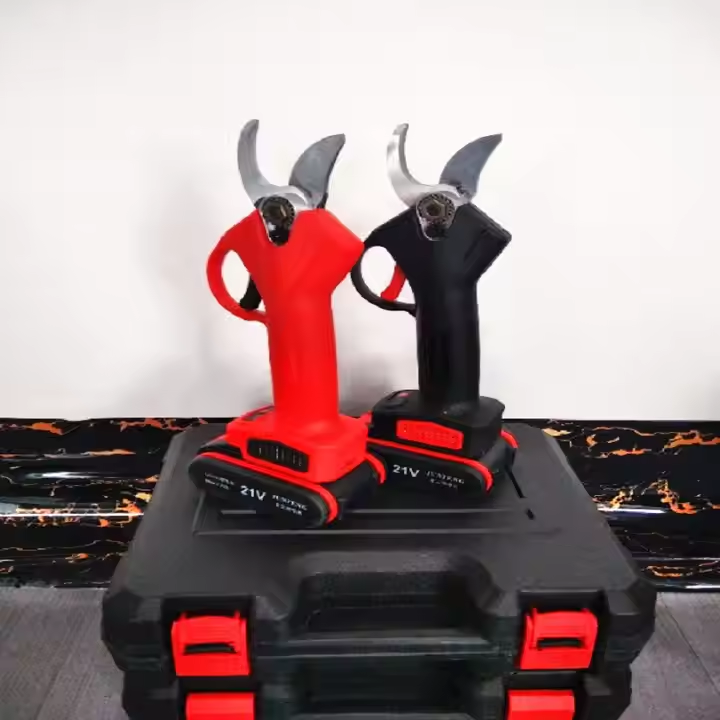
You will inevitably encounter fibrous roots. If the auger hits thick, invasive root systems, do not force the drill. Pushing harder only damages the clutch. Instead, pull the machine back entirely. Use a reliable Battery Power Scissor to cleanly sever encroaching roots within the hole. This prevents equipment binding and maintains a clean planting pocket. For heavy surface debris surrounding the target zone, a Battery Power Scissor also efficiently clears small woody stems before you even start digging.
Utility safety remains your highest priority. Hitting a buried gas or electrical line causes catastrophic damage. Always verify underground utility lines prior to breaking ground. In the US, simply call 811 a few days before your project. They will mark the buried lines for free. Never skip this crucial safety step.
Operating heavy machinery requires strict discipline. Operator stance and leverage dictate your safety. Proper body mechanics prevent severe injuries. Always keep the auger perfectly vertical. Keep your feet planted firmly on level ground. Use your legs to absorb shock rather than twisting your lower back. This wide stance helps you safely absorb sudden torque shifts if the bit catches a stone.
Clearing spoil effectively prevents the machine from getting stuck. Follow best practices for pulsing the auger. Drill down just a few inches at a time. Then, lift the spinning tool out slightly to fling the loose dirt away. Repeat this pulsing motion. Never bury the bit completely in one continuous downward push. Burying the bit traps the machine under the immense weight of the earth. You will struggle to pull it back out.
Storage and maintenance protocols ensure longevity. Winterization protects your investment. For gas models, always drain the fuel lines before winter storage. Stale gas clogs carburetors quickly. For electric models, maintain your battery health carefully. Store the batteries indoors. Keep them in a climate-controlled environment to prevent cell degradation from freezing temperatures.
Base your final decision on the absolute hardest soil present on your property.
Over-index slightly on torque capacity to prevent unexpected equipment failure.
Measure the mature root balls of your intended plants before selecting your bit sizes.
Identify your primary soil type to choose the correct power platform.
Select a power unit that easily supports interchangeable bits for future versatility.
A: Small feeder roots can be chewed through by heavy-duty bits with replaceable blades. However, augers will violently catch on roots thicker than an inch. Thick roots require manual severing before drilling continues.
A: An 8-inch bit is the industry standard for a 4x4 post. This specific diameter allows exactly 2 inches of clearance on all sides. You need this precise gap for proper concrete or gravel backfill.
A: Yes, provided it is a high-voltage unit (e.g., 40V, 60V, or 80V) paired with a high-capacity battery. Standard 18V/20V drill attachments will burn out or stall repeatedly in heavy clay.


