
Views: 0 Author: Site Editor Publish Time: 2026-09-16 Origin: Site


Preparing soil by hand breaks your back. You likely know the drill: blistered palms, aching shoulders, and a stiff lower back. Hours of plunging a broadfork into stubborn dirt takes a heavy toll on your body. Is there a better way to manage your land? Choosing mechanized equipment often feels overwhelming. Both small cultivators and heavy-duty walking tractors serve distinct agricultural needs. Making the wrong choice wastes money. Worse, it can severely damage your soil structure. Let us fix that.
In this engineering-focused guide, we break down the exact mechanical capabilities of these machines. We will help you select the right equipment to save time, increase crop yields, and protect your body from unnecessary physical strain.
Before diving into specific equipment, we need to look at the broader market. Recent agricultural analyses reveal a massive shift in how smallholder farmers operate. Growers are rapidly moving away from traditional, bulky four-wheel tractors. Why? Rising fuel costs and a growing demand for precision agriculture on micro-farms are driving this change. Modern farmers require commercial-grade torque without the massive footprint or prohibitive maintenance costs of conventional tractors. Today's walk-behind units bridge that gap perfectly. They offer exceptional mechanical efficiency while keeping capital investments highly manageable.
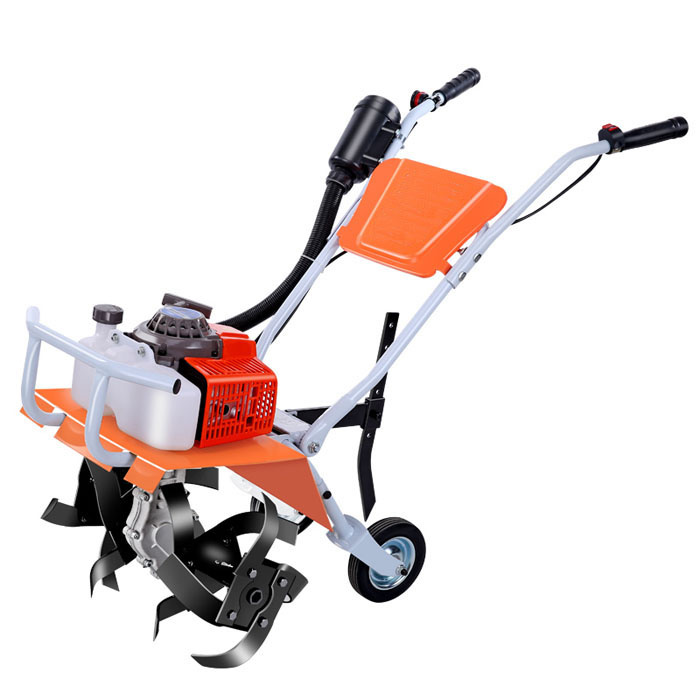
A garden cultivator is a compact agricultural tool built specifically for surface-level soil preparation. Unlike massive farm tractors, these machines feature a lightweight frame. They use smaller engines, usually ranging from 1 to 5 horsepower. Their primary function is not tearing through virgin earth. Instead, they maintain, aerate, and refine soil established in previous growing seasons. For instance, a reliable gasoline power mini tiller provides just enough torque to churn topsoil without destroying the underlying microbial networks.
The agile nature of these machines makes them highly suitable for precision-based gardening tasks. A heavy footprint here would be detrimental.
You must set realistic expectations before hitting the dirt. Let us look at where these machines excel and where they fail.
Sometimes called a walking tractor or a two-wheel tractor, this is a substantial piece of industrial machinery. It is built for serious farming. These units pack larger, aggressive engines ranging from 6 to 15 horsepower or more. They feature heavy-duty steel tines and a reinforced chassis. This rugged construction absorbs the intense, bone-rattling vibrations generated when tearing through sun-baked earth.
Because engineers designed them for scale and resistance, these machines remain the standard choice for professional smallholder farmers.
Understanding the mechanical trade-offs ensures you do not over-purchase or under-equip your farming operation.
For agricultural tasks demanding consistent, unwavering power, investing in a diesel power tiller is the most logical choice. Diesel engines inherently provide superior low-end torque and better fuel economy. These are critical metrics when you perform strenuous farm work from dawn until dusk.
To fully grasp which machine belongs in your shed, we must compare their technical specifications side-by-side. The differences extend far beyond just the physical footprint. They dictate power delivery, operational depth, and long-term economic value.
The physical dimensions of the equipment dictate exactly where it can operate. A small cultivator is designed for agility. Its compact nature allows for sharp, nimble turns. Conversely, a walking tractor is bulky. Because of its massive weight and wider wheelbase, it requires a much wider turning radius. Operating a massive machine in a confined space will easily damage nearby fences or delicate crops.
Engine output acts as the defining characteristic separating these two categories. Lightweight cultivators generally operate in the 1 to 5 horsepower range. They frequently utilize gasoline engines that are lighter, quieter, and easier to pull-start. Heavy-duty units require significantly more brute force. While large gasoline models exist, the commercial sector heavily favors diesel. Diesel provides the necessary torque at lower RPMs. This means the machine can push through dense, wet clay without stalling out.
The agronomic goal of your soil preparation dictates the required depth. Smaller machines scratch and refine the surface, usually achieving a depth of 4 to 8 inches. Larger machines are designed to excavate. They dig 8 to 12 inches deep, effectively shattering hardpan layers to support extensive root architectures.
| Feature | Mini Tiller | Power Tiller |
|---|---|---|
| Typical Engine Power | 1 – 5 HP | 6 – 15+ HP |
| Primary Fuel Source | Gasoline or Electric | Diesel or Heavy-Duty Gasoline |
| Tilling Depth | 4 – 8 inches (Shallow) | 8 – 12+ inches (Deep) |
| Ideal Land Size | Under 1/4 Acre | 1 to 5 Acres |
| Soil Capability | Loose, pre-worked soil | Hard, compacted, or virgin soil |
| Physical Effort | Low (Easy to maneuver) | High (Requires strength to guide) |
Before comparing motorized options, we must address a common reality. Many individuals still rely entirely on hand tools. Shovels, hoes, and broadforks have been used for centuries. However, they come with steep physical and temporal costs.
The most compelling argument for upgrading to mechanical equipment is the drastic reduction in labor time. Hand-digging a 1,000-square-foot garden plot easily consumes an entire weekend of grueling, sweat-soaked labor. A motorized unit accomplishes the exact same task in less than an hour. This incredible efficiency allows growers to focus their energy on planting and harvesting, rather than exhausting themselves before the seeds are even in the ground.
Farming destroys joints. Using a broadfork demands repetitive bending, lifting, and twisting. Powered equipment transfers the burden of breaking the soil from your spine to an internal combustion engine. While guiding a machine still requires physical engagement, the internal mechanics absorb the primary resistance of the earth. This drastically mitigates the risk of repetitive strain injuries.
To ensure you select the optimal machine for your specific landscape, you must look at the actual engineering specifications. Follow this practical decision framework to avoid costly mistakes.
The total square footage of your cultivated area is your primary filtering metric. If you manage backyard raised beds or a plot under 1/4 acre, a compact cultivator is entirely sufficient. For properties spanning 1 to 5 acres, a heavy-duty model becomes an absolute necessity. Attempting to manage multiple acres with a small engine inevitably results in mechanical burnout. Additionally, if your land features uneven topography, the heavier weight and self-propelled wheels of a larger unit provide vital traction.
Soil composition directly dictates the necessary horsepower and engine displacement. If your soil is sandy or already well-aerated, a standard mini tiller featuring a 212cc gasoline engine is perfect. It can easily drive a 400-millimeter tilling width. Conversely, if you battle heavy clay that bakes like concrete, you need aggressive digging capability. Look for a machine equipped with a 186FA diesel engine pushing out 9 to 10 horsepower. This setup easily drives a 1200-millimeter rotary width through dense earth.
Be realistic about who will operate the machinery. While the engine does the digging, the operator must steer, balance, and turn the equipment. Walking tractors are heavy industrial tools. Operating them on uneven terrain requires a solid baseline of physical strength. If the primary operator has physical limitations, prioritizing a lightweight, highly maneuverable model is the safest choice.
Evaluate the total cost of ownership, not just the retail sticker price. A cheap machine that shatters a gearbox halfway through the spring planting season is a liability. Commercial farmers should view a high-quality diesel unit as a long-term capital investment that depreciates over a decade. Backyard hobbyists can easily justify a lower-cost gasoline model for occasional seasonal use.
Selecting the appropriate mechanical equipment does more than just save time. It fundamentally alters the biological and physical properties of your soil, directly impacting your harvest.
Proper tilling mechanics are vital for soil vitality. Over time, earth naturally compacts due to rainfall and foot traffic. This compaction squeezes out oxygen and prevents water from infiltrating the root zone. Using the correct equipment mechanically fractures this compacted layer. It folds vital oxygen into the soil matrix, stimulating aerobic microbial activity.
Weed management is a relentless battle. Mechanical cultivation offers a highly effective solution, significantly reducing the need for harsh chemical herbicides. By running the tines shallowly between crop rows, you slice through weed root systems. This turns the invasive weeds into green manure that decomposes and feeds your primary crops.
There is a scientifically proven correlation between well-prepared seedbeds and higher agricultural output. A proper tilling session pulverizes stubborn dirt clods into a fine, uniform tilth. This uniformity ensures seeds are planted at consistent depths. The result? Synchronized germination, robust early growth, and a more abundant harvest.
Agricultural machinery operates in harsh, abrasive, and dusty environments. Whether you invest in a lightweight cultivator or a massive walking tractor, mechanical maintenance is non-negotiable. Proper care ensures peak efficiency and extends the operational lifespan of your investment.
Internal combustion engines require consistent monitoring. Before every single use, check the oil levels. Running a motor on degraded oil causes catastrophic internal failure. Furthermore, inspect the air filtration system. Clogged air filters choke the engine of oxygen, reducing power and increasing fuel consumption. The intense vibrations generated during operation can also loosen hardware. Regularly checking and torquing all chassis bolts is a critical safety practice.
The steel tines suffer the most wear and tear. Dull tines do not cut through the soil; they bluntly bludgeon it, forcing the engine to work significantly harder. Sharpening the leading edges with an angle grinder once a season dramatically improves slicing efficiency. Clean the blades after every use. Keeping the tines free of entangled vines and caked-on mud ensures the engine is not burdened by unnecessary drag during its next start-up.
Improper winterization is the leading cause of starting issues in the spring. Gasoline degrades rapidly over a few months, leaving behind a sticky varnish that clogs microscopic carburetor jets. To prevent this headache, either drain the fuel tank completely or add a high-quality fuel stabilizer. Finally, store the machine in a dry, covered environment to protect the metal chassis from moisture-induced corrosion.
Choosing the right equipment matters immensely for the success of your growing season. Your total land size, specific soil type, and physical capabilities must dictate your final choice. A lightweight cultivator is brilliant for small, loose garden beds and tight spaces. In contrast, a heavy-duty walking tractor is the undisputed champion for large fields, virgin ground, and deep aeration. Carefully evaluate your specific farming needs, balance your budget, and invest in the machinery that will make your agricultural journey highly productive.
Ready to upgrade your agricultural fleet? Explore our full range of professional-grade equipment at Agro-Tools to find the perfect match for your soil and acreage today.
Generally, no. These compact machines are specifically engineered to cultivate and aerate already loosened soil. Trying to break hard, compacted virgin ground with a lightweight unit causes the machine to bounce aggressively. This potentially damages the transmission and exhausts the operator. You require the weight and horsepower of a heavy-duty machine for unbroken earth.
The optimal choice depends entirely on your workload. Gasoline models are generally lighter, quieter, and easier to pull-start, making them excellent for residential applications. Diesel engines offer significantly higher torque, superior fuel efficiency under heavy loads, and a longer overall engine lifespan. This makes them the superior choice for heavy-duty commercial farming.
For the vast majority of standard vegetable crops, tilling to a depth of 6 to 8 inches is perfectly sufficient for healthy root development. However, if you plant deep-rooted crops like carrots or potatoes, or if you are actively trying to break up a hardpan layer beneath the topsoil, you need equipment capable of reaching depths of 10 to 12 inches.
If you manage a property under 5 acres, a walk-behind unit is usually much more cost-effective, easier to maintain, and highly maneuverable in tight spaces. For large-scale commercial farming operations exceeding 5 acres, the speed, ride-on comfort, and heavy implement capacity of a compact tractor make it a more logical long-term investment.
For a standard one-acre plot with moderate soil conditions, a machine in the 6 to 8 horsepower range is usually the sweet spot. This provides enough torque to efficiently turn the soil without forcing you to wrestle an overly massive, commercial-grade machine.
Small cultivators rarely support heavy ground-engaging attachments because they lack the necessary traction and weight. Heavy-duty walking tractors, however, frequently feature a PTO shaft and a universal hitch, allowing you to easily attach plows, ridgers, seeders, and even small trailers.


